
Can I Use Unreal Engine Technology for Film Production in Atlanta?
Modern filmmakers increasingly rely on real-time rendering to streamline complex shoots. According to recent industry reports, virtual production workflows have reduced location scouting expenses by nearly 40 percent across major metropolitan hubs. This shift directly impacts how crews allocate budgets and schedule shooting days. Atlanta has rapidly emerged as a premier destination for high-end visual content creation. Production companies now demand faster turnaround times without sacrificing cinematic quality. Understanding how to integrate these tools into your workflow remains essential for modern creators.
How Virtual Production Works
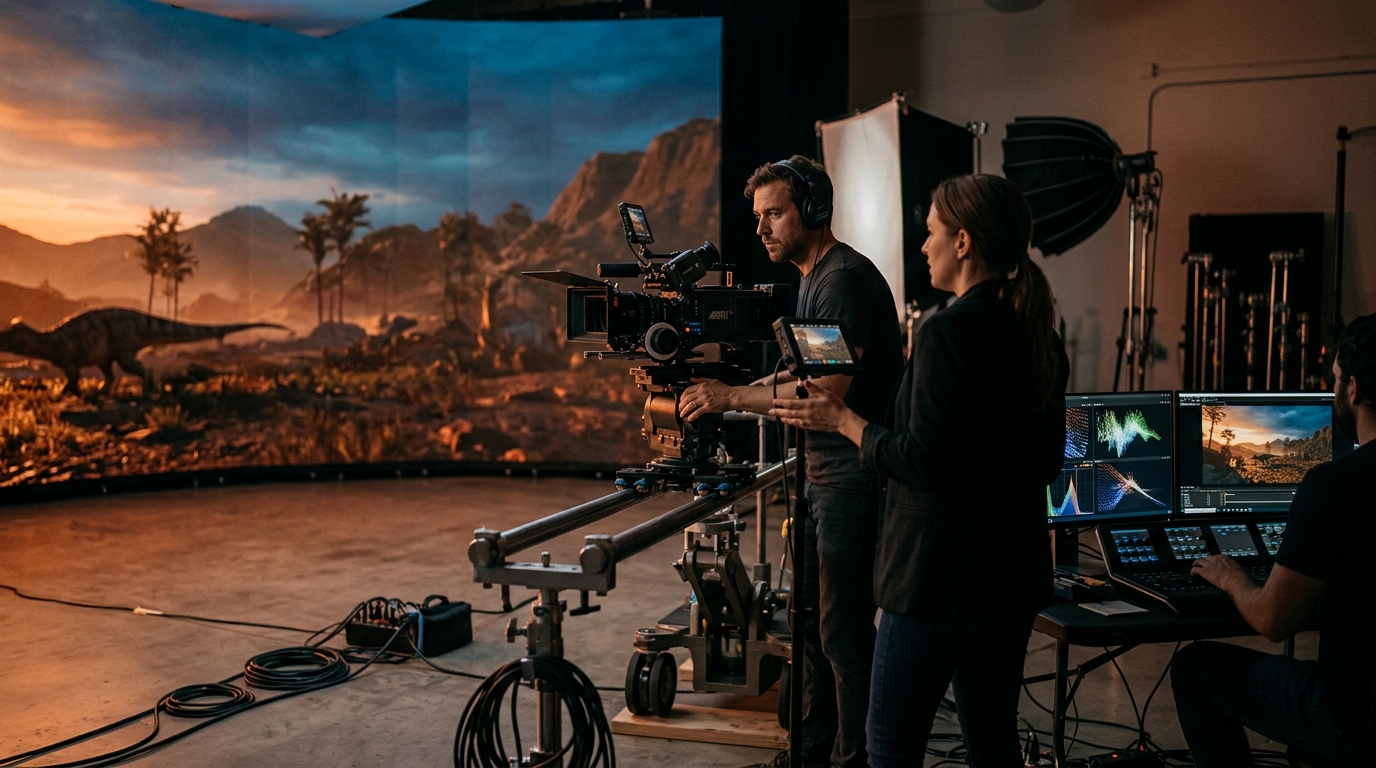
LED volume wall is a curved display system that renders real-time 3D environments. This hardware replaces traditional physical sets and green screens. Directors can view final lighting and camera angles directly on set. Unreal Engine is a real-time 3D creation platform originally developed for interactive entertainment. Creative teams leverage this software to build interactive backgrounds that respond to camera movement. The technology tracks lens data and adjusts perspective instantly. This capability eliminates post-production tracking errors. Production managers gain complete control over environmental variables before rolling cameras.
Real-Time Rendering Benefits
Real-time rendering allows directors to make immediate creative adjustments. Cinematographers no longer guess how lighting will interact with actors. The system calculates reflections and shadows dynamically. This accuracy drastically reduces on-set guesswork. Studios report that directors save hours during daily rushes. The workflow prioritizes creative confidence over technical uncertainty.
Atlanta Production Advantages
Georgia maintains some of the most competitive tax incentive structures in North America. According to state economic data, the entertainment sector generated over 1.2 billion dollars in direct economic impact last fiscal year. This financial ecosystem attracts major studios and independent creators alike. Local vendors have adapted their infrastructure to support massive digital shoots. Production coordinators benefit from established logistics networks and specialized equipment rentals. The region consistently ranks among the top three filming locations nationwide. Creators can access specialized technicians without relocating to coastal hubs.
Regional Infrastructure Support
Regional infrastructure support ensures seamless equipment delivery and setup. Local vendors maintain calibrated camera tracking systems. Soundstage operators manage power distribution for high-density LED arrays. Production assistants coordinate parking and load-in procedures efficiently. This operational maturity shortens setup windows significantly. Independent filmmakers gain access to enterprise-grade facilities.
Cost Efficiency Breakdown
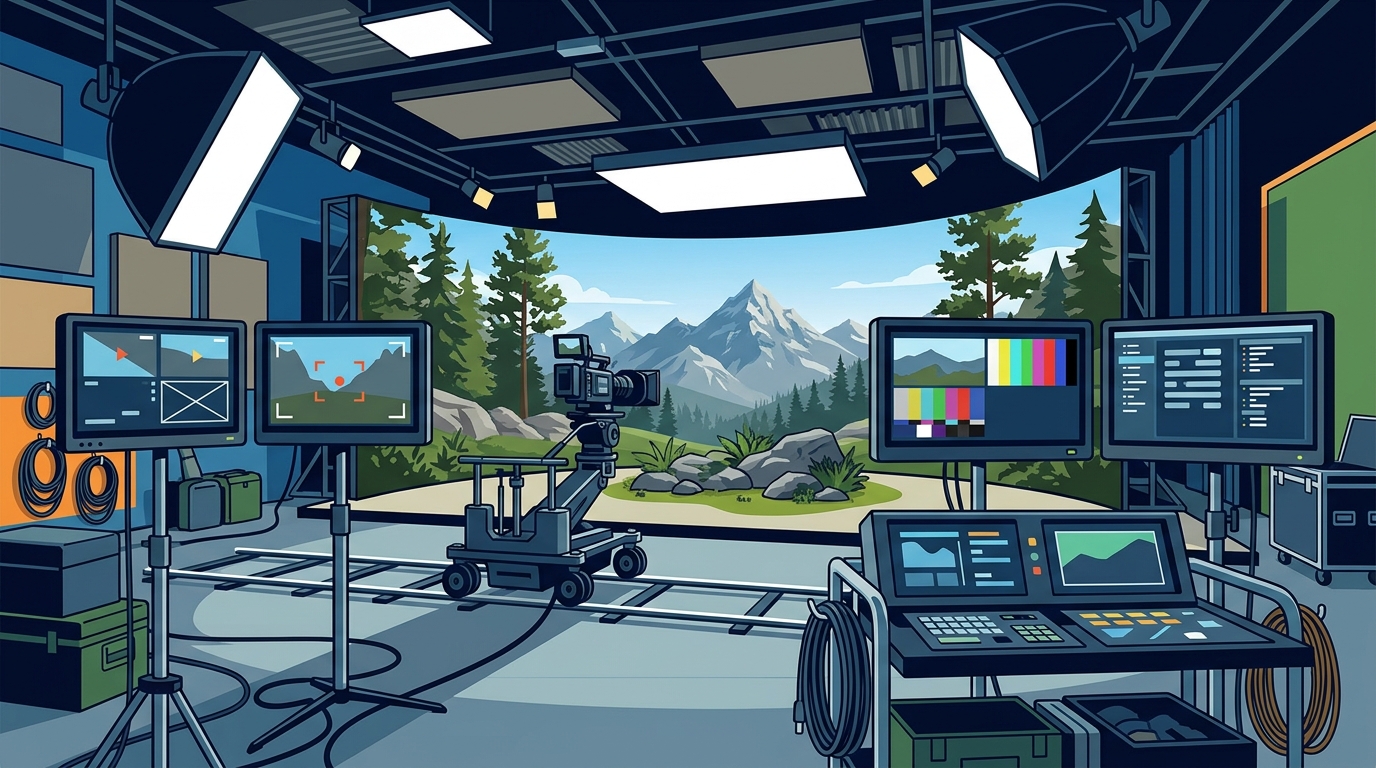
Virtual production drastically reduces physical location expenses. Production budgets often allocate thirty percent of funds to location scouting and permits. LED environments eliminate travel costs and permit fees entirely. Post-production visual effects costs drop substantially when backgrounds are captured live. Directors can approve final composites during principal photography. This approach prevents expensive reshoots and digital cleanup phases. Financial controllers track these savings across multiple project phases. The model prioritizes upfront technical investment over downstream corrections.
Financial Allocation Strategies
Financial allocation strategies shift toward technical personnel and software licensing. Crew members receive specialized training for camera tracking integration. Equipment rental contracts focus on high-resolution display panels. Production accountants monitor software subscription renewals carefully. This financial model rewards long-term planning. Independent producers secure predictable budget caps.
Technical Implementation
Technical implementation requires precise camera tracking synchronization. Operators mount specialized sensors to follow lens focal lengths. The rendering pipeline processes these coordinates at sixty frames per second. Directors monitor multiple display feeds simultaneously. Technical directors manage asset loading sequences to prevent latency. This synchronization ensures seamless background transitions. The system adapts to rapid camera movements without visual tearing. Production managers schedule technical rehearsals to verify tracking accuracy.
Asset Management Protocols
Asset management protocols dictate how digital environments load during active shoots. Design teams pre-render background plates for complex scenes. Technical supervisors verify memory allocation across rendering nodes. Directors review scene composition before principal photography begins. This preparation prevents on-set rendering bottlenecks. Creative teams maintain version control over all digital assets.
Crew Workflow Integration
Crew workflow integration transforms traditional departmental boundaries. Cinematographers collaborate directly with technical directors during setup. Actors receive accurate environmental lighting instead of green spill. Directors of photography adjust exposure settings to match digital backgrounds. Production assistants coordinate equipment placement around the curved display. This collaborative environment accelerates decision-making processes. Department heads communicate through shared technical dashboards. The workflow prioritizes cross-departmental transparency.
Departmental Coordination Standards
Departmental coordination standards establish clear communication protocols. Technical supervisors relay tracking data to camera operators. Lighting crews adjust practical fixtures to match digital environments. Sound departments monitor audio isolation near high-voltage display panels. Production managers track daily shooting progress against digital schedules. This coordination prevents departmental silos. Creative teams maintain unified project vision.
| Production Method | Setup Duration | Post-Production Requirements | Recommended Use Case |
|---|---|---|---|
| Physical Sets | Three to five days | Minimal digital cleanup | Historical dramas |
| Green Screen | One to two days | Extensive keying and compositing | Sci-fi environments |
| LED Volume Walls | Two to three hours | Color grading and minor adjustments | Commercial campaigns |
| Location Shoots | Variable scheduling | Extensive VFX and tracking | Documentary projects |
Key Takeaways
- LED volume walls reduce location scouting expenses by nearly 40 percent across major markets.
- Georgia entertainment sector generated over 1.2 billion dollars in direct economic impact last fiscal year.
- Real-time rendering eliminates post-production tracking errors and digital cleanup phases.
- Technical directors manage asset loading sequences to prevent on-set rendering bottlenecks.
- Cinematographers adjust exposure settings to match digital backgrounds without green spill.
- Production managers schedule technical rehearsals to verify tracking accuracy before principal photography.
- Independent filmmakers gain access to enterprise-grade facilities without relocating to coastal hubs.
Frequently Asked Questions
Is Unreal Engine compatible with traditional camera tracking systems?
Yes. The software integrates seamlessly with industry-standard tracking hardware. Technical supervisors configure lens data parameters to match camera specifications. Directors monitor multiple display feeds simultaneously during active shoots. This compatibility ensures accurate perspective rendering across all focal lengths.
How does virtual production impact actor performance on set?
Actors receive accurate environmental lighting instead of green spill. Directors can view final composites during principal photography. This capability eliminates guesswork and improves emotional authenticity. Production managers report faster shooting schedules when performers interact with realistic backgrounds.
What software licenses are required for volume studio operations?
Studios require enterprise-grade rendering subscriptions and asset management tools. Technical directors manage software renewal cycles carefully. Creative teams utilize version control systems to track environmental changes. Production accountants monitor licensing costs across multiple project phases.
Can independent filmmakers afford LED volume wall rentals?
Yes. Modern rental models offer flexible hourly rates and package deals. Production coordinators compare vendor pricing across regional studios. Independent creators secure predictable budget caps without enterprise overhead. Financial controllers track these savings across multiple project phases.
How long does technical setup typically require for a volume shoot?
Setup typically requires two to three hours for standard configurations. Technical supervisors verify tracking accuracy before principal photography begins. Directors review scene composition to confirm environmental alignment. Production managers schedule technical rehearsals to prevent on-set delays.
Does virtual production eliminate the need for location permits?
Virtual production eliminates physical location permits entirely. Production budgets allocate fewer funds to municipal approvals. Directors control environmental variables without external restrictions. Creative teams maintain complete authority over background elements.
What safety protocols apply to high-voltage display arrays?
Studios enforce strict electrical safety guidelines near curved panels. Production assistants coordinate equipment placement to avoid cable hazards. Technical directors monitor power distribution across all display nodes. Crew members receive specialized training for high-density hardware handling.
Book Your Production
Ready to integrate real-time rendering into your next project? Our technical team provides comprehensive support from initial concept to final delivery. Contact our studio directly to schedule a facility tour or request a custom production quote. Visit our main studio page to explore available booking windows. Secure your preferred shooting dates today and experience the future of cinematic creation.