
Common Cost-Reduction Mistakes in Film Production and How to Avoid Them
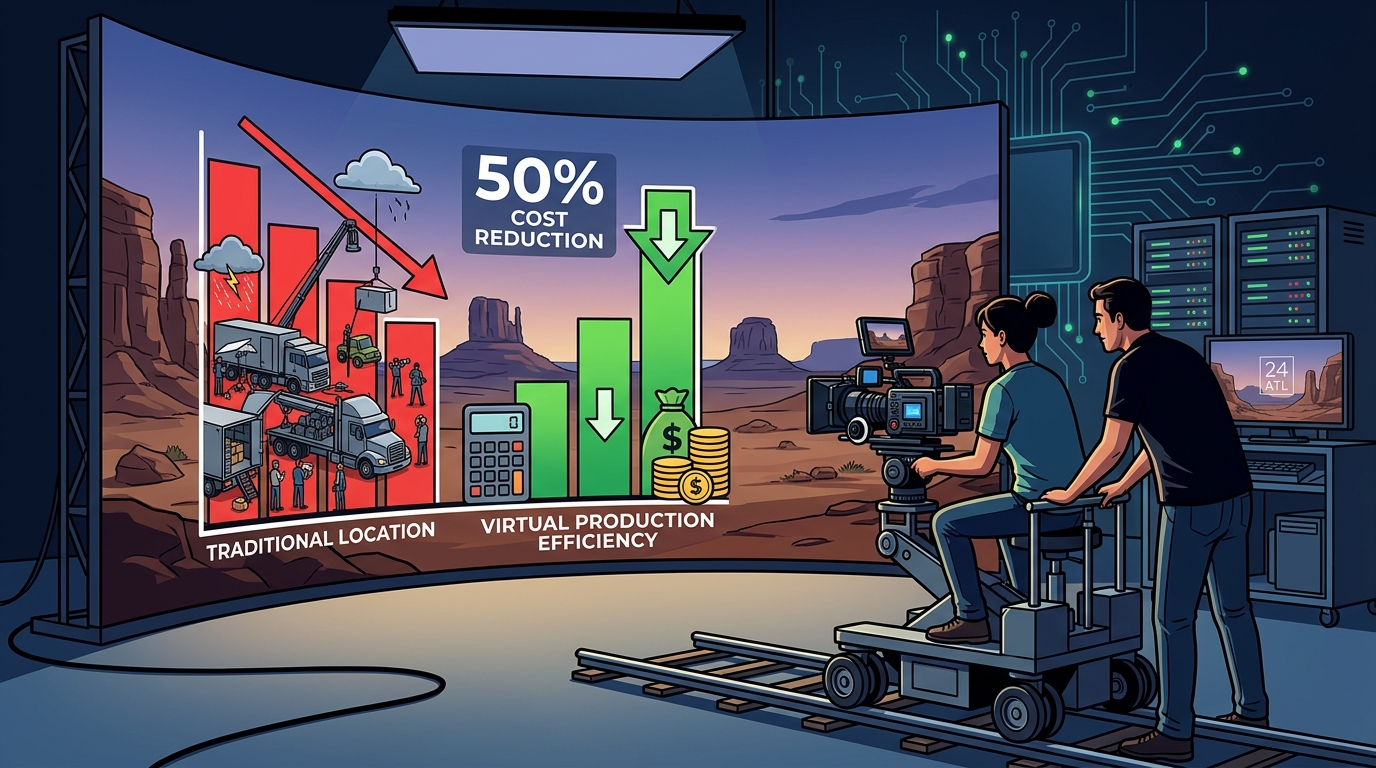
Modern film production budgets are under unprecedented pressure. According to recent industry analyses, virtual production technologies can reduce location and post-production costs by up to 50% for eligible projects. This dramatic shift in economic efficiency is driven by the adoption of LED volume walls and real-time rendering engines. Producers who ignore these technological advancements often bleed money through inefficient workflows. This guide outlines the most frequent financial errors in filmmaking and provides concrete strategies to protect your bottom line. (Common and Avoidable)
Mistake 1: Ignoring Virtual Production Capabilities
One of the most expensive errors a producer can make is relying solely on traditional green screen or physical location shooting when virtual alternatives exist. Green screens require extensive color correction, keying, and compositing in post-production. These processes are not only time-consuming but also require highly specialized talent that commands premium rates. By contrast, virtual production integrates the background into the camera capture in real time.
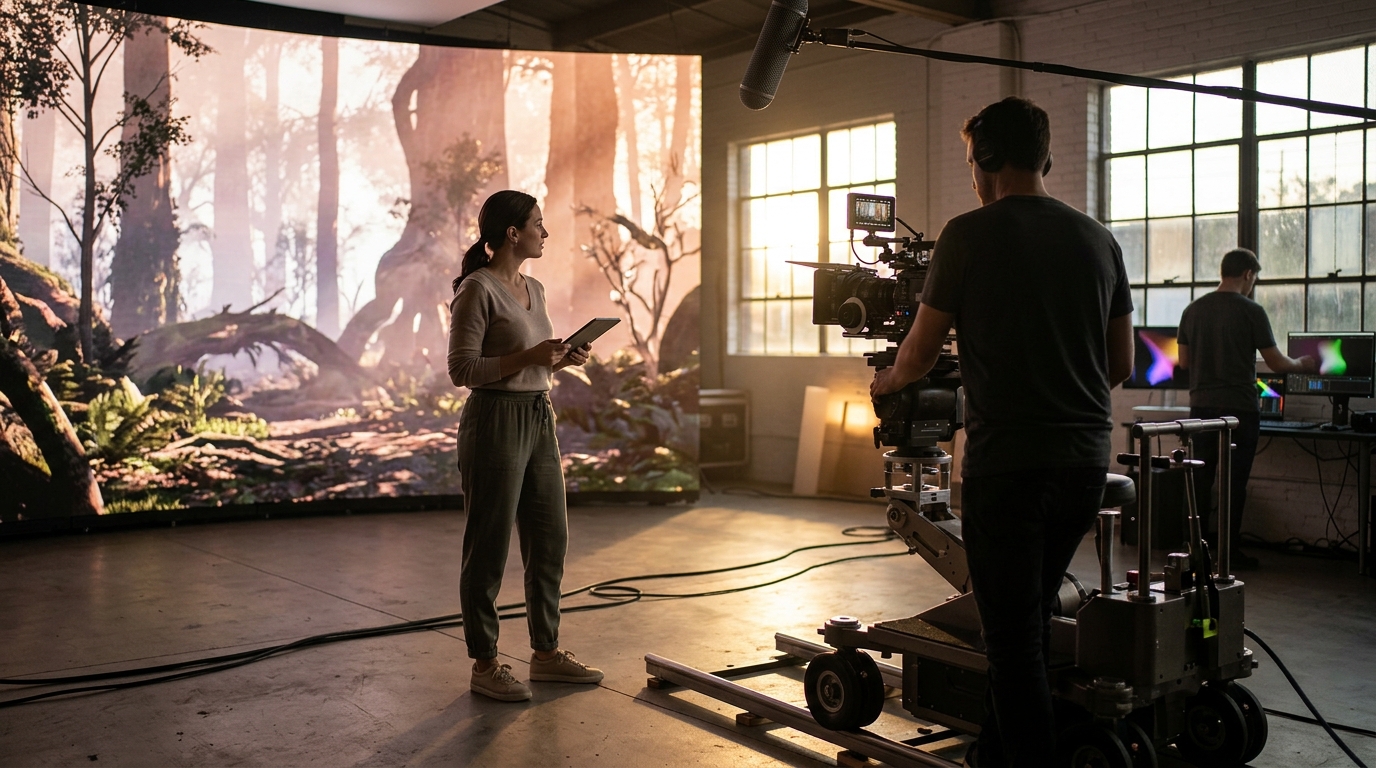
Virtual production utilizes LED volume walls to display dynamic, high-resolution environments. This technology allows directors to see the final composite on set. The lighting from the LED panels interacts naturally with the actors and physical props. This eliminates the green spill that plagues traditional chroma key workflows. According to data from leading virtual production studios, this method streamlines the immersion of your production in seconds. It also allows crews to travel to worlds with the press of a button, removing the need for expensive location permits and travel logistics.
Producers who fail to evaluate Unreal Engine technology for their projects miss out on significant savings. The ability to adapt scenes and assets to fit a concept means fewer physical builds are required. This flexibility reduces material costs and labor hours. It also allows for rapid iteration during pre-production. If a scene needs to change, the digital environment can be modified instantly. This agility is impossible with physical sets. Ignoring this capability is a direct hit to your production budget.
Mistake 2: Underestimating Post-Production VFX Costs
Many producers view post-production as a separate silo from principal photography. This separation leads to budget overruns because VFX costs are often treated as an afterthought. Traditional workflows require extensive cleanup of plates, removal of rigging, and complex compositing. These tasks accumulate quickly. The complexity of VFX in the post-processing cycle can double the post budget if not managed early.
Virtual production mitigates these costs by moving VFX work to the front end. When the background is captured in-camera, the post-production team has less heavy lifting to do. The "Mobile Walls" feature allows for the creation of unique lighting and visual imagery without building physical sets. This reduces the need for extensive digital matte painting. The result is a cleaner, more cost-effective post cycle. Producers who understand this shift can allocate resources more efficiently. They can invest in better on-set talent rather than spending millions on digital cleanup.
Mistake 3: Poor Pre-Production Planning
Pre-production is the foundation of any successful film. Rushing this phase is a common cause of budget blowouts. Without a detailed plan, crews waste time on set making decisions that should have been made earlier. This inefficiency translates directly into higher labor costs. Every hour spent debating a scene on set is an hour billed at premium rates.
Effective pre-production involves rigorous technical rehearsals. This includes testing lighting setups, camera movements, and virtual environment interactions. By simulating the shoot in a virtual space, producers can identify potential issues before they arise on set. This proactive approach saves thousands of dollars in potential reshoots or delays. It also ensures that the creative vision is aligned with technical feasibility. A well-planned production runs like clockwork. Every department knows its role and timeline. This clarity is essential for staying on budget.
Mistake 4: Neglecting Lighting and Set Design Synergy
Lighting is often the most expensive department on a film set. Traditional lighting setups require extensive rigging, power distribution, and heat management. These elements add significant time and cost to the shooting schedule. When lighting is not integrated with the set design from the start, it leads to inefficient workflows. Crews spend hours adjusting lights to match the environment. This process is slow and prone to error.
Virtual production solves this by using the LED wall as the primary light source. The color temperature and intensity of the background match the camera perspective perfectly. This eliminates the need for complex lighting rigs to simulate environmental light. The result is a faster setup time and a more natural look. Producers who recognize this synergy can reduce their lighting department size. They can also achieve higher quality visuals with less effort. This is a critical advantage for independent filmmakers and low-budget productions.
Mistake 5: Inadequate Budget Oversight
Even with the best plans, budgets can spiral out of control without strict oversight. Producers often fail to track expenses in real time. This lack of visibility leads to surprises at the end of the shoot. By the time the overage is detected, it is too late to correct it. Effective budget management requires constant monitoring and adjustment.
Utilizing a dedicated financial officer is crucial for protecting budget integrity. This role ensures that every expense is accounted for and aligned with the project's goals. It also helps in identifying areas where costs can be trimmed without sacrificing quality. For example, switching from a physical location to a virtual set can free up funds for better talent. Producers who prioritize financial oversight are better equipped to make strategic decisions. They can adapt to changes without derailing the entire production. This discipline is the hallmark of a successful producer.
Comparing Traditional vs. Virtual Production Costs
Understanding the financial differences between traditional and virtual production is essential for making informed decisions. The table below summarizes the key cost drivers for each method.
| Cost Factor | Traditional Production | Virtual Production (LED Volume) |
|---|---|---|
| Location Costs | High (Travel, Permits, Logistics) | Low (Studio-based) |
| Post-Production VFX | Very High (Extensive Cleanup) | Reduced (In-Camera VFX) |
| Lighting Setup | Time-Consuming (Rigging & Power) | Efficient (LED Wall Integration) |
| Set Construction | High (Materials & Labor) | Low (Digital Assets) |
| Flexibility | Low (Fixed Physical Sets) | High (Adaptable Scenes) |
Key Takeaways
- Virtual production can cut production costs in half by eliminating location and green screen expenses.
- Unreal Engine technology allows for real-time rendering, reducing post-production VFX workload significantly.
- LED volume walls provide natural lighting interactions, removing the need for complex rigging.
- Proper pre-production planning prevents costly on-set decision-making delays.
- Dedicated financial oversight is essential for maintaining budget integrity throughout the shoot.
- Custom-tailored environments offer adaptability that physical sets cannot match.
- Integrating VFX early in the process mitigates post-processing cycle costs.
Frequently Asked Questions
How does virtual production reduce post-production costs?
Virtual production reduces post-production costs by capturing the background and lighting in-camera. This eliminates the need for extensive green screen keying and digital cleanup. The result is a faster and cheaper post-processing cycle.
What is the role of Unreal Engine in film production?
Unreal Engine is a real-time 3D creation tool used to generate dynamic virtual environments. It allows directors to see the final composite on set, enabling immediate creative adjustments and reducing the need for physical builds.
Can virtual production be used for commercials and music videos?
Yes, virtual production is highly effective for commercials and music videos. It allows for rapid scene changes and unique visual effects that would be expensive or impossible to achieve with traditional methods.
What are the benefits of an LED volume wall?
An LED volume wall provides an immersive lighting experience. It reflects naturally on actors and props, creating realistic interactions. This technology streamlines the production process and enhances visual quality.
How do I frame my shoot for virtual production?
To frame your shoot for virtual production, you need to plan your camera movements and lighting carefully. Working with a studio that offers custom-tailored Unreal Engine environments ensures that your concept is fully supported.
Is virtual production suitable for large-scale film projects?
Yes, virtual production is suitable for large-scale film projects. It offers the scalability and flexibility needed for complex scenes. Many major productions now use LED volume walls to achieve their creative vision.
What is the cost of renting a virtual production studio?
The cost varies based on the duration of the shoot and the complexity of the virtual environments. However, the overall savings on location and post-production often make it a cost-effective choice.
Frame Your Shoot
Ready to elevate your production with cutting-edge technology? Contact 24 ATL Studios to discuss your project needs. Our team of experts is ready to help you navigate the world of virtual production. Visit our Frame Your Shoot page to get started. You can also reach out directly to our creative director, Nick, at Nick@24atl.com or call him at 407.446.8970. Let us help you save money and create stunning visuals.