
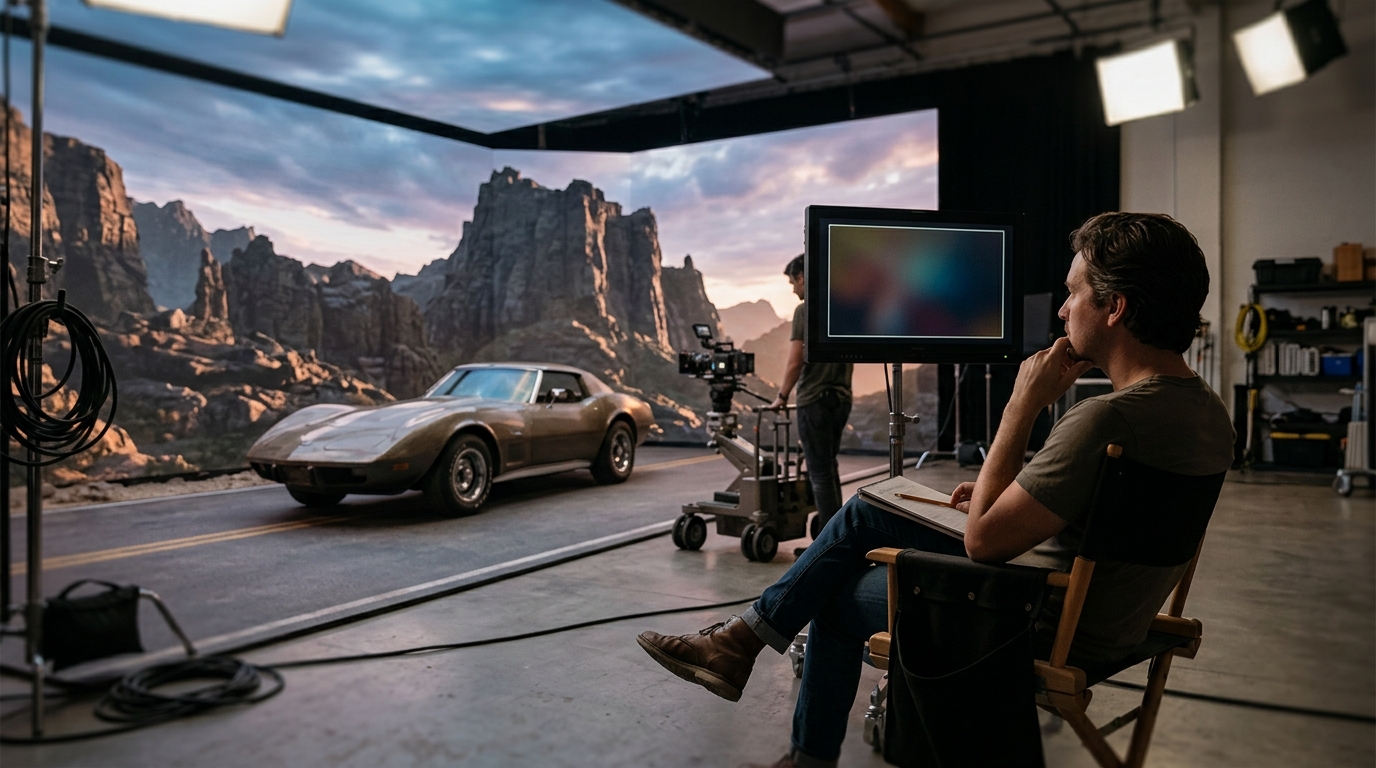
Key Factors Influencing LED Volume Pricing
The base rate for an LED volume wall is rarely the final number. Several variables significantly impact the daily rental fee. Understanding these factors helps you predict your total expenditure accurately. For additional details, review the .
Wall Size and Resolution
Larger walls require more LED panels and higher processing power. A standard 20-foot by 10-foot wall is the industry baseline for many productions. Smaller setups may cost less, while massive curved walls for car processing or wide-angle shots command a premium. High-resolution panels, such as those with 0.5mm pixel pitch, increase the hardware cost but improve image quality for close-ups. For additional details, review the Customer Experience.
Content Creation and Real-Time Rendering
LED volume production requires real-time content, often built in Unreal Engine. This is not a one-time fee but an ongoing cost during the shoot. You need a dedicated team of artists and technical directors to create and adjust environments live. This labor cost is often the largest component of the total budget, sometimes exceeding the hardware rental fee itself. For additional details, review the Frequently Asked Questions.
Technical Crew and Support
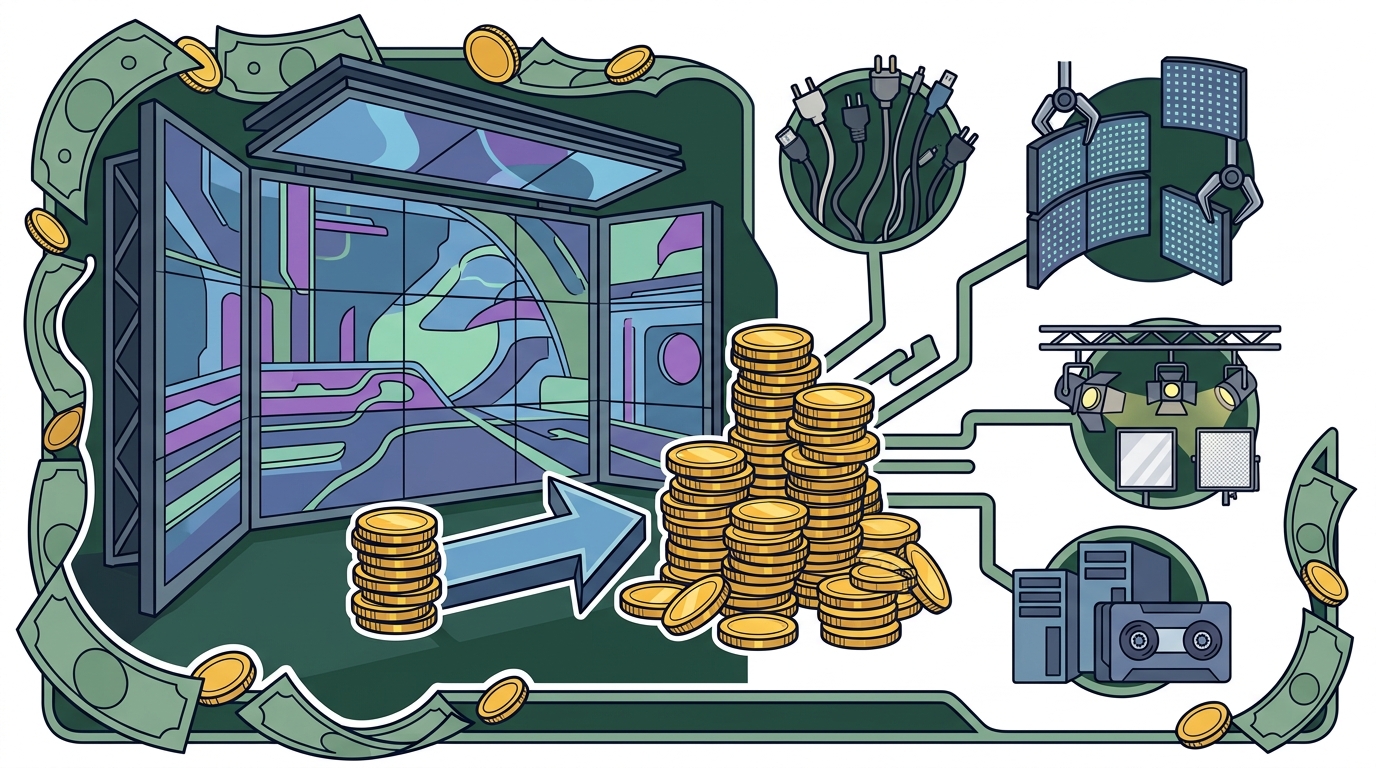
Comparing Studio Options in Atlanta
Atlanta has become a major hub for virtual production, offering several distinct studio environments. Each facility has different strengths, affecting both price and capability. For additional details, review the About.
24 ATL Studios
Other Atlanta Facilities
Hidden Costs to Budget For
The daily rental rate is only part of the equation. Several additional costs often surprise producers who are new to virtual production. Budgeting for these items prevents financial strain during the shoot.
Pre-Production and Asset Creation
Camera Tracking and Calibration
Accurate camera tracking is essential for seamless LED volume integration. This requires specialized hardware and software licenses. Calibration time is also a factor, as the system must be tuned for each specific camera and lens combination. This technical setup time is often billed at a premium rate or included in a higher daily package.
Post-Production and Compositing
Strategies for Budgeting Your Shoot
Effective budgeting for LED volume production requires a detailed understanding of all cost components. Following these strategies helps you allocate resources efficiently.
Define Your Scope Early
Clearly define the number of environments, the complexity of the shots, and the required resolution. This clarity allows studios to provide accurate quotes. Avoid vague requests, as they often lead to higher estimates to cover potential risks. A detailed shot list and storyboard help in scoping the content creation workload accurately.
Negotiate Package Deals
Consider Hybrid Approaches
Not every shot requires a full LED volume. A hybrid approach, using LED volume for key shots and traditional green screen for others, can optimize costs. This strategy allows you to leverage the benefits of virtual production where it matters most while keeping the overall budget manageable. Consulting with a virtual production expert can help identify which shots benefit most from LED volume.
Key Takeaways
- Content creation and real-time rendering are often the largest cost components, exceeding hardware rental fees.
- Wall size, resolution, and technical crew size significantly impact the daily rate.
- Negotiating package deals and defining your scope early can help optimize your budget.
- Consider hybrid approaches to balance cost and quality across your production.
Frequently Asked Questions
What is the average cost of an LED volume wall rental in Atlanta?
Does the rental price include content creation?
How long does it take to set up an LED volume wall?
Setup time varies but typically takes one to two days for a standard configuration. Complex setups with custom content may require additional time for calibration and testing.
Can I use my own Unreal Engine assets?
Yes, you can use your own assets, but they must be optimized for real-time rendering. Studios can provide guidance on asset optimization to ensure compatibility with their systems.
What is the difference between a curved and flat LED wall?
Curved walls provide a more immersive experience and are better suited for wide-angle shots. Flat walls are simpler and often less expensive but may require more post-production for seamless integration. Learn more: 24atl com.