
Can I Use Unreal Engine Technology for Film Production in Atlanta?
Recent industry reports indicate that virtual production workflows reduce location scouting expenses by approximately forty percent across mid-budget independent films. This financial advantage stems directly from the integration of real-time rendering engines inside controlled soundstage environments. Production teams now prioritize digital asset creation over physical set construction to maintain strict budgetary controls. Studios operating in the Southeast region benefit from established infrastructure that supports rapid scene iteration. Creators seeking reliable technical partnerships should evaluate facilities that offer comprehensive previsualization and post-production support.
How Virtual Production Works
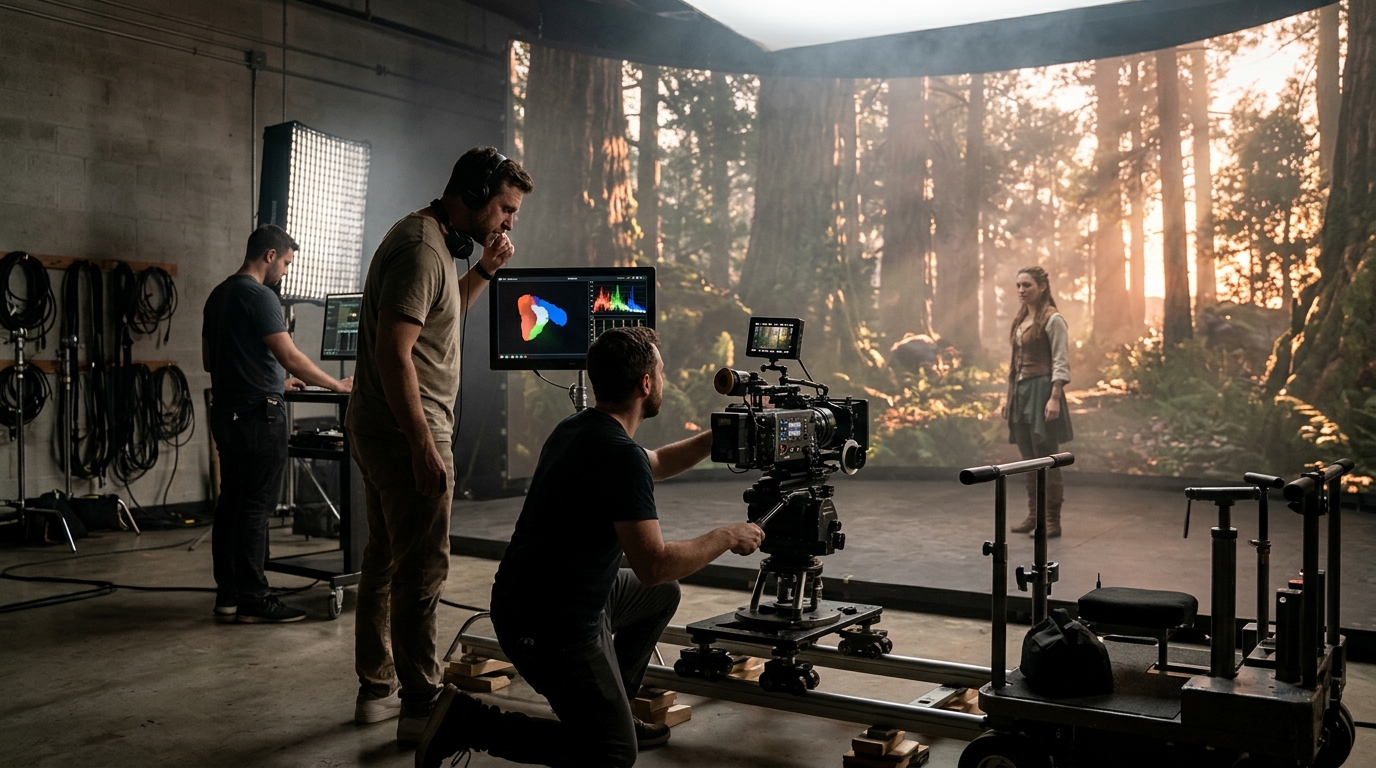
Virtual production is the practice of capturing live-action footage alongside real-time computer-generated imagery within a controlled environment. Directors can now view final composited shots directly on set rather than waiting for post-production pipelines to finish. This immediate feedback loop drastically reduces guesswork during filming. Actors perform against dynamic digital backdrops that react to camera movement in real time. The technology eliminates traditional green screen spill and simplifies lighting coordination across the entire set.
Unreal Engine serves as the computational backbone for these immersive environments. The software processes camera tracking data to adjust perspective and parallax instantly. This synchronization creates photorealistic backgrounds that match live-action footage perfectly. Production managers appreciate the ability to swap entire environments without relocating equipment. The system supports complex lighting interactions that mimic natural sunlight or studio fixtures.
Cost Efficiency Metrics
Data shows that studios utilizing LED volume walls save roughly half their traditional location budgets. This reduction occurs because digital environments replace expensive physical construction and travel logistics. Production companies avoid permit fees, location rentals, and weather-related delays entirely. The financial model shifts from operational overhead to upfront digital asset development. Teams can iterate on background designs without incurring additional physical costs.
Financial oversight remains a primary concern for independent creators and enterprise studios alike. Budget tracking software integrates directly with production scheduling tools to monitor spending in real time. Producers can allocate resources toward talent and equipment rather than physical set building. The streamlined workflow reduces insurance liabilities associated with large-scale physical construction. Studios that adopt this model consistently report higher profit margins on completed projects.
Car Process Integration
Automotive filming requires specialized tracking systems to maintain realistic motion blur and perspective. The car process trailer mounts high-resolution LED panels to a mobile rig that follows vehicle movement. Camera operators capture interior dialogue while the exterior environment scrolls seamlessly behind the windshield. This method eliminates the need for expensive motion control rigs or post-production rotoscoping.
Technical specifications for automotive setups include synchronized motorized dollies and precision lens mapping. Directors of photography can adjust focal lengths without breaking the illusion of motion. The system supports high-speed sequences while maintaining accurate parallax shifts. Production crews save significant time by avoiding complex rigging setups on public roads. The technology ensures consistent lighting across all camera angles during driving sequences.
Pre-Production Workflows
Pre-production is the planning phase where digital environments are constructed and tested before filming begins. Creative teams build fully adaptable scenes using modular asset libraries and custom textures. Concept artists collaborate directly with technical directors to optimize polygon counts and texture resolution. This collaborative approach ensures that every digital element performs efficiently on the volume wall.
Asset management platforms store thousands of reusable components for rapid scene assembly. Directors can block out entire sequences using virtual cameras before scheduling physical equipment. Storyboards transition directly into interactive 3D environments for client approvals. This digital-first workflow reduces revision cycles and accelerates the shooting schedule. Production managers gain complete visibility into scene composition before rolling cameras.
Post-Production Simplification
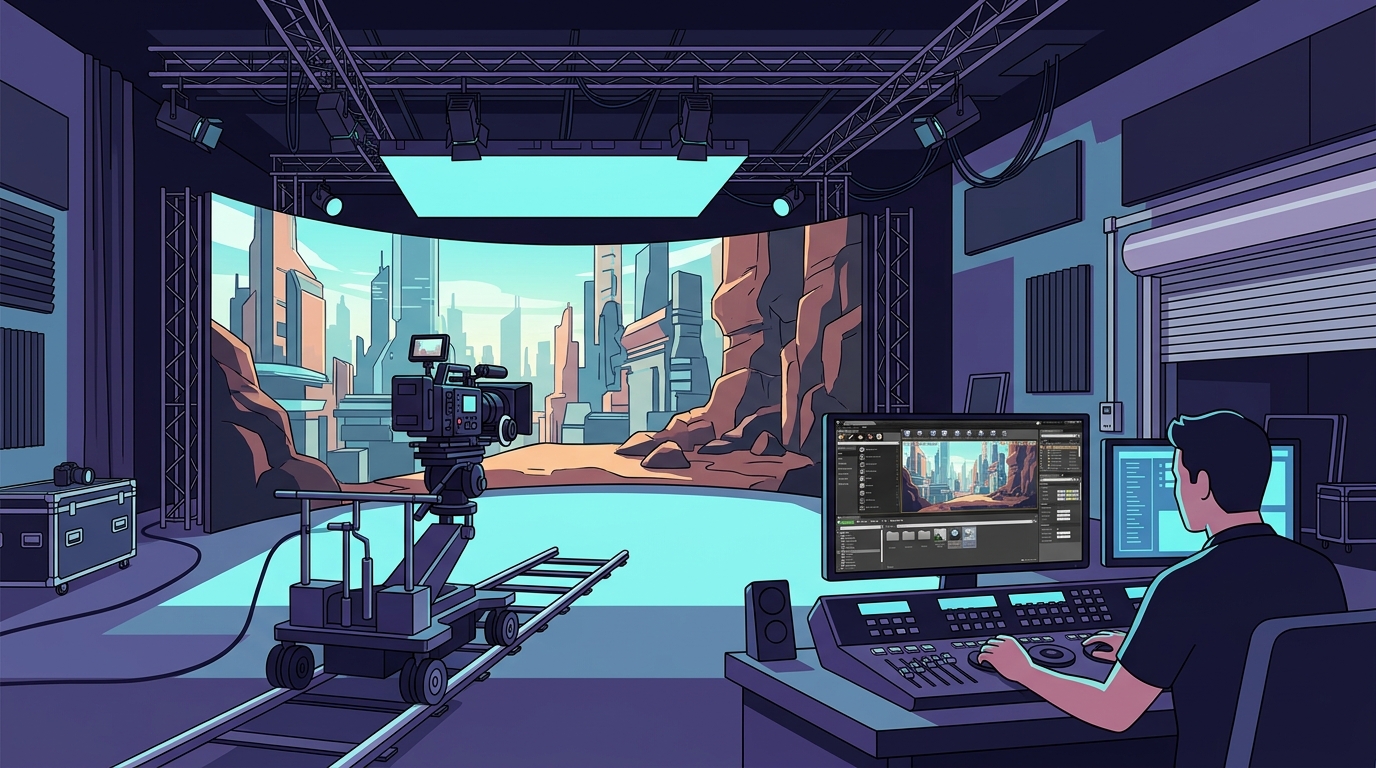
Post-production is the final editing phase where raw footage is refined and delivered to distributors. LED volume walls drastically reduce the visual effects workload by capturing composite backgrounds in-camera. Editors receive footage that already contains accurate lighting, reflections, and environmental interactions. This reality-captured approach eliminates months of traditional keying and compositing labor.
Color grading pipelines integrate seamlessly with volume wall output to maintain consistent visual tones. Sound designers record dialogue against clean digital backdrops without green screen contamination. Delivery formats meet broadcast standards without requiring extensive digital cleanup. Studios report faster turnaround times for client reviews and festival submissions. The simplified workflow allows creative teams to focus on narrative pacing rather than technical fixes.
Mobile Wall Extensions
Mobile walls consist of modular LED panels mounted on transportable frames for flexible deployment. Production teams can reconfigure these structures to match specific set dimensions or architectural constraints. Background plates or environments are available for creating visual imagery and unique lighting via our Mobile Walls. This modularity supports everything from intimate interviews to expansive historical recreations.
Transport logistics remain streamlined because the panels stack securely for regional distribution. Technical crews calibrate pixel density and brightness levels to match camera sensor specifications. Directors can experiment with different aspect ratios without rebuilding entire sets. The system supports rapid scene changes between shooting days. Production managers appreciate the ability to store unused panels without damaging sensitive electronics.
| Service Category | Technical Implementation | Budget Impact | Ideal Use Case |
|---|---|---|---|
| Volume Studio | Fixed LED arrays with camera tracking | Reduces location costs by 50% | Feature Films |
| Car Process | Mobile trailer-mounted panels | Eliminates motion control rentals | Automotive Commercials |
| Mobile Walls | Configurable panel stacks | Flexible rental structures | Music Videos |
Key Takeaways
- Virtual production workflows reduce location scouting expenses by approximately forty percent across mid-budget independent films.
- LED volume walls capture composite backgrounds in-camera, eliminating months of traditional keying labor.
- Car process trailers mount high-resolution panels to mobile rigs for seamless automotive filming.
- Pre-production asset libraries enable rapid scene assembly without physical construction delays.
- Mobile wall configurations support flexible set dimensions and rapid scene changes between shooting days.
- Post-production pipelines integrate directly with volume wall output to maintain consistent visual tones.
- Studios operating in the Southeast region benefit from established infrastructure that supports rapid scene iteration.
Frequently Asked Questions
Is Unreal Engine compatible with traditional camera systems?
Yes. The software integrates directly with industry-standard camera tracking rigs and lens mapping tools. Technical directors configure the engine to match specific sensor formats and focal lengths. This compatibility ensures accurate parallax shifts and realistic perspective rendering during live filming.
How does the car process trailer handle high-speed sequences?
The trailer utilizes synchronized motorized dollies and precision optical sensors to maintain motion blur. Camera operators capture interior dialogue while exterior environments scroll seamlessly behind the windshield. The system supports high-speed sequences while maintaining accurate parallax shifts and realistic lighting interactions.
Can I customize digital environments for historical or fantasy settings?
Absolutely. Creative teams build fully adaptable scenes using modular asset libraries and custom textures. Concept artists collaborate directly with technical directors to optimize polygon counts and texture resolution. This collaborative approach ensures that every digital element performs efficiently on the volume wall.
What happens to unused LED panels after production wraps?
Mobile wall configurations support flexible set dimensions and rapid scene changes between shooting days. Production managers appreciate the ability to store unused panels without damaging sensitive electronics. The modular design allows studios to reconfigure structures for future projects without additional manufacturing costs.
Does virtual production require extensive post-production cleanup?
No. LED volume walls drastically reduce the visual effects workload by capturing composite backgrounds in-camera. Editors receive footage that already contains accurate lighting, reflections, and environmental interactions. This reality-captured approach eliminates months of traditional keying and compositing labor.
How quickly can digital assets be swapped during filming?
Asset management platforms store thousands of reusable components for rapid scene assembly. Directors can block out entire sequences using virtual cameras before scheduling physical equipment. This digital-first workflow reduces revision cycles and accelerates the shooting schedule significantly.
What technical support is provided during active shoots?
On-site engineers monitor rendering performance and camera tracking synchronization throughout filming. Technical crews calibrate pixel density and brightness levels to match camera sensor specifications. Directors can experiment with different aspect ratios without rebuilding entire sets or delaying production.
Ready to Elevate Your Next Production?
Studios operating in the Southeast region benefit from established infrastructure that supports rapid scene iteration. Creators seeking reliable technical partnerships should evaluate facilities that offer comprehensive previsualization and post-production support. Book your studio consultation today to explore custom Unreal Engine environments tailored to your creative vision. Visit https://24atl.com/ to schedule your production walkthrough and secure your preferred filming dates.