
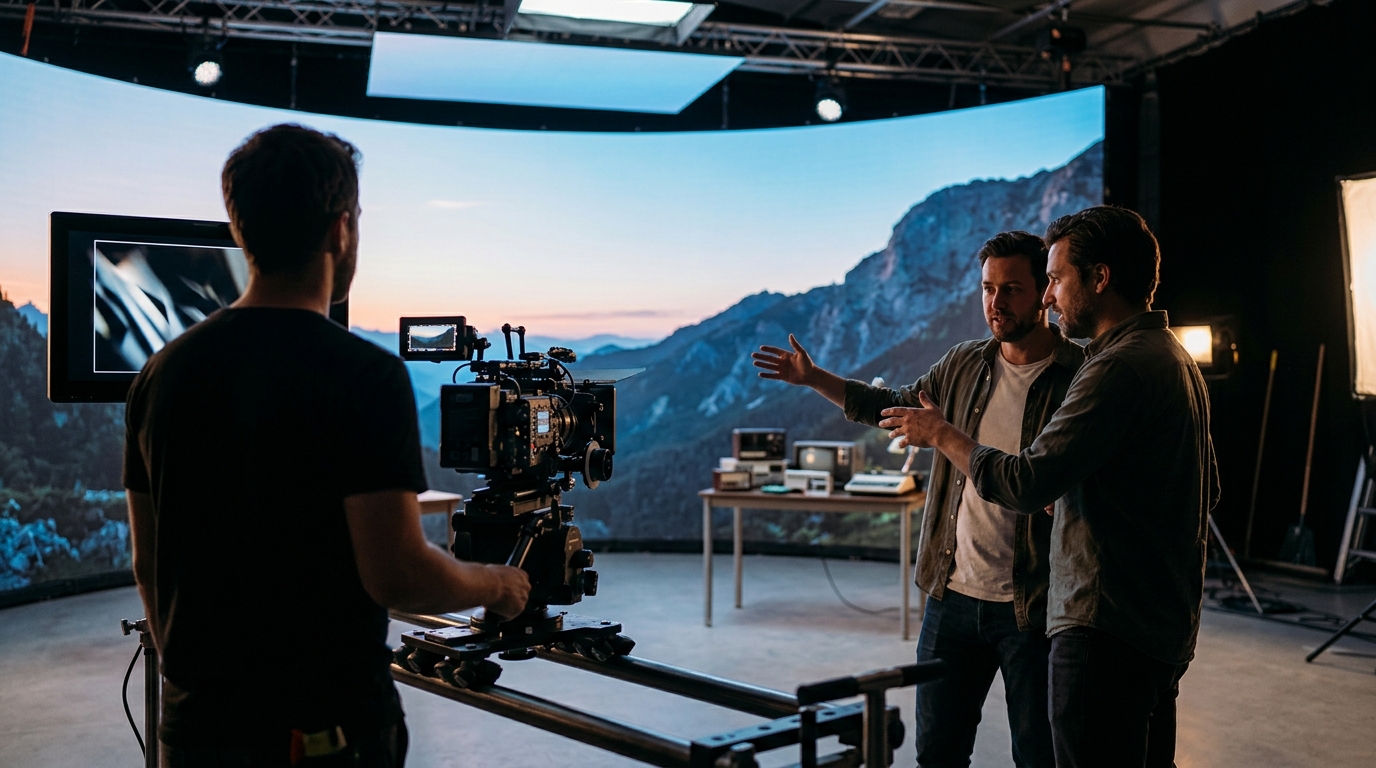
Modern filmmakers in Georgia are rapidly adopting real-time rendering to streamline complex shoots. Virtual production workflows now reduce location scouting expenses by nearly forty percent across major metropolitan hubs. This shift directly impacts budget allocation and creative flexibility. Studios leveraging interactive 3D environments report faster turnaround times and enhanced on-set decision making. The technology integrates seamlessly with existing camera tracking systems. Production teams can now visualize final renders before rolling cameras. This capability transforms traditional filmmaking into a dynamic, iterative process.
How Virtual Sets Work
Unreal Engine technology powers the core rendering pipeline for modern LED volume walls. Real-time ray tracing calculates lighting interactions between physical actors and digital backgrounds. This synchronization eliminates the traditional green screen spill problem. Directors can adjust environmental parameters instantly during filming. The system processes camera tracking data to maintain perfect perspective alignment. This precision ensures that every frame matches the final deliverable.
Core Rendering Mechanics
LED volume walls are curved display arrays that render real-time computer-generated imagery. These panels display high-fidelity scenes at sixty frames per second. Camera tracking sensors feed positional data directly into the rendering engine. The software adjusts the background perspective in real time. This process creates a seamless visual bridge between physical and digital spaces.
Lighting Synchronization
Real-time rendering is the computational process that calculates lighting and perspective instantly. Overhead rigging supports heavy camera dollies and lighting arrays. Climate control maintains optimal operating temperatures for sensitive electronic equipment. Creators can book dedicated blocks for television pilots or feature film scenes.
Atlanta Production Advantages
Georgia maintains a robust incentive structure for media creators. Local tax credits reduce overall project expenditures by thirty percent for qualifying productions. This financial advantage attracts independent filmmakers and major studio allocations alike. Atlanta also offers diverse geographic landscapes within a fifty-mile radius. Production managers can transition from urban architecture to rural terrain without relocating equipment. The combination of financial incentives and technical infrastructure creates an optimal filming ecosystem.
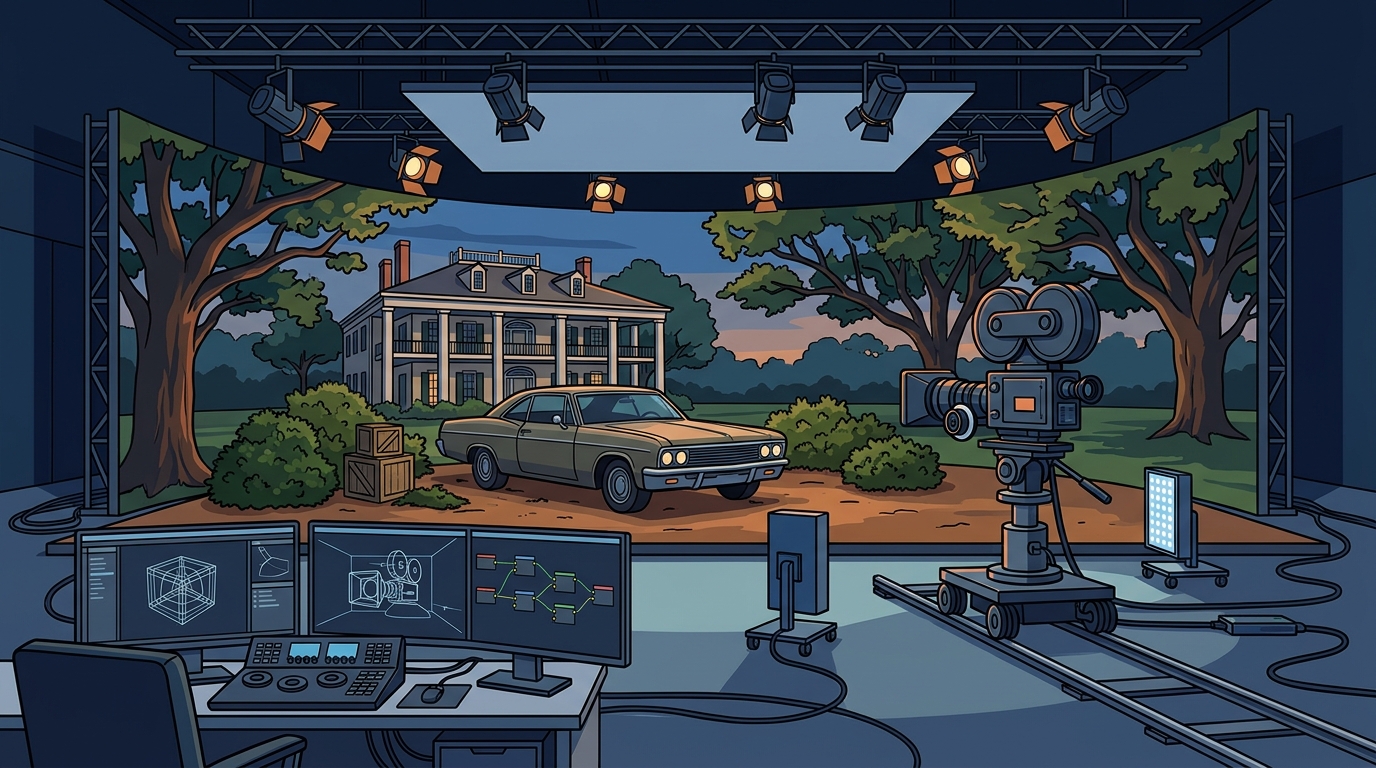
Regional Infrastructure Benefits
Major transportation networks support heavy equipment logistics across the metro area. Warehousing facilities store camera rigs and lighting arrays efficiently. Local crew bases provide experienced technicians familiar with virtual workflows. These operational advantages minimize downtime between setup phases. Creators benefit from a concentrated talent pool specializing in digital asset management.
Financial Planning Strategies
Production accountants utilize detailed budget templates to track virtual set expenses. Rental agreements cover panel usage and technical support staff. Creative directors collaborate with technical artists to finalize visual requirements. This systematic approach guarantees consistent output across lengthy shooting schedules.
Car Process Integration
Automotive commercials require precise camera movement synchronization. The car process trailer mounts LED panels directly to a mobile platform. This setup allows vehicles to drive through dynamic digital environments. Camera operators capture footage while the vehicle maintains realistic motion. The system tracks wheel rotation and suspension dynamics to adjust background parallax. This technique eliminates the need for expensive location permits or traffic control.
Mobile Wall Applications
Car process trailers are mobile platforms designed to mount display panels alongside vehicles. These modular configurations adapt to studio floor plans or outdoor locations. Production teams can deploy rapid setups for music video shoots or brand campaigns. The flexibility reduces rental costs associated with traditional physical sets.
Dynamic Tracking Protocols
Sensors mounted on the trailer feed positional data into the rendering engine. This synchronization maintains realistic motion blur and perspective shifts. Audio isolation chambers prevent sound bleed during dialogue recording. These specifications meet broadcast network delivery standards. Production managers receive detailed technical riders before arrival.
Pre and Post Production
Comprehensive project management spans every creative phase. Pre-visualization workflows establish camera blocking and lighting plans before equipment arrives on set. Artists build custom tailored Unreal Engine environments that match directorial concepts. Asset libraries contain fully adaptable scenes ready for immediate deployment. Post process costs are mitigated due to the simplicity of VFX in the post processing cycle. Final color grading requires minimal digital correction when captured on volume walls.
Workflow Optimization
Production coordinators track digital asset delivery schedules to prevent bottlenecks. Render farms process high-resolution textures overnight for next-day shoots. Quality assurance teams verify tracking accuracy across multiple camera angles. This systematic approach guarantees consistent output across lengthy shooting schedules.
Asset Management Standards
Technical directors organize digital libraries by scene requirements and resolution needs. File compression algorithms optimize storage capacity without sacrificing visual fidelity. Creative teams review asset compatibility before finalizing shooting schedules. This preparation eliminates unexpected rendering delays during active production days.
Studio Capabilities
Our immersive soundstage offers an experience like no other, allowing you to travel to worlds with the press of a button. The facility features a fully enclosed LED volume measuring forty feet in width. Overhead rigging supports heavy camera dollies and lighting arrays. Climate control maintains optimal operating temperatures for sensitive electronic equipment. Creators can book dedicated blocks for television pilots or feature film scenes.
Technical Specifications
Panel resolution exceeds four thousand pixels horizontally across the entire wall. Refresh rates synchronize with standard cinema frame rates without flicker artifacts. Audio isolation chambers prevent sound bleed during dialogue recording. These specifications meet broadcast network delivery standards. Production managers receive detailed technical riders before arrival.
Booking and Logistics
Production teams typically reserve eight-hour blocks for full crew setups. Extended rental options accommodate complex scene transitions and multiple camera angles. Coordinators provide detailed technical riders to streamline arrival procedures. These operational advantages minimize downtime between setup phases.
Production Service Comparison
| Service Type | Primary Application | Setup Duration | Cost Efficiency |
|---|---|---|---|
| Feature Film Scenes | Dialogue sequences and environmental storytelling | Two hours | High location savings |
| Commercial Campaigns | Product placement and brand integration | One hour | Medium setup cost |
| Music Video Shoots | Performance capture and abstract visuals | Three hours | Low post-production spend |
| Automotive Car Process | Dynamic vehicle tracking and motion | Four hours | High equipment rental |
Key Takeaways
- LED volume walls replace traditional location scouting expenses by displaying digital environments on set.
- Real-time rendering calculates accurate lighting interactions between physical actors and digital backgrounds.
- Georgia tax incentives reduce overall project expenditures by thirty percent for qualifying productions.
- Car process trailers mount panels to mobile platforms for dynamic automotive tracking.
- Pre-visualization workflows establish camera blocking and lighting plans before equipment arrives on set.
- Post process costs are mitigated due to the simplicity of VFX in the post processing cycle.
Frequently Asked Questions
Is Unreal Engine compatible with existing camera tracking systems?
Yes. The software integrates directly with standard motion capture arrays. Camera operators receive real-time perspective adjustments without manual calibration. This compatibility ensures seamless workflow adoption across different production houses.
How does the car process trailer handle suspension dynamics?
The system tracks wheel rotation and suspension dynamics to adjust background parallax. Sensors mounted on the trailer feed positional data into the rendering engine. This synchronization maintains realistic motion blur and perspective shifts.
What is the standard booking duration for studio time?
Production teams typically reserve eight-hour blocks for full crew setups. Extended rental options accommodate complex scene transitions and multiple camera angles. Coordinators provide detailed technical riders to streamline arrival procedures.
Can I customize the digital asset library for my project?
Absolutely. Artists build custom tailored Unreal Engine environments that match directorial concepts. Asset libraries contain fully adaptable scenes ready for immediate deployment. Creative directors collaborate with technical artists to finalize visual requirements.
Does the facility support live broadcast streaming?
Yes. The studio integrates with standard broadcast encoders for live transmission. Audio isolation chambers prevent sound bleed during dialogue recording. Production managers receive detailed technical riders before arrival.
Book Your Production
Ready to elevate your next shoot with cutting-edge virtual technology? Our team oversees the creative and operational aspects of every project. Contact our studio directly to schedule a facility tour or request a custom production quote. Visit our main page to explore available dates and technical specifications. Secure your preferred filming window today and transform your creative vision into reality.