
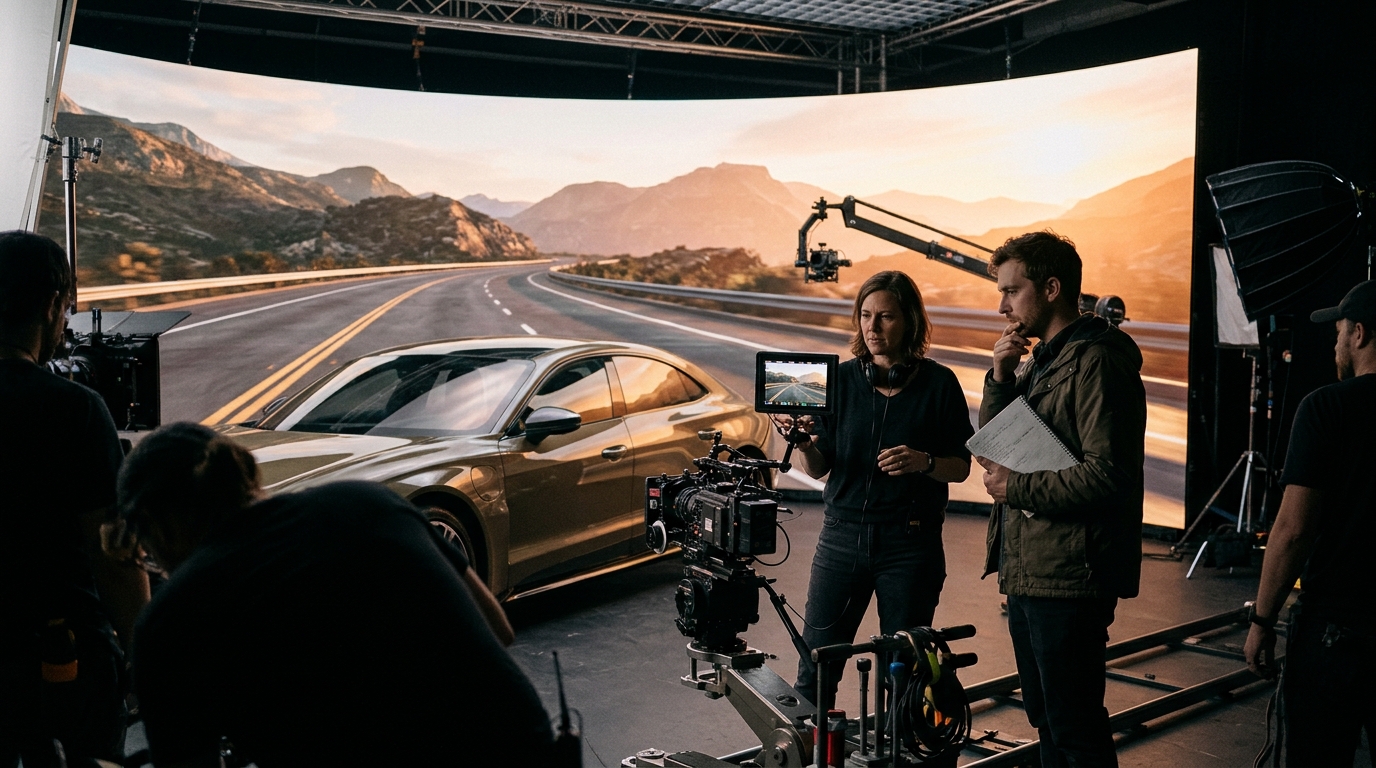
Shooting vehicle scenes inside an LED volume requires a blend of optical precision, lighting control, and digital integration. 24 ATL Studios specializes in this exact workflow, offering an immersive soundstage that allows productions to travel to different worlds with the press of a button. By mastering these techniques, directors and cinematographers can eliminate the traditional pain points of car process, such as green screen spill and location logistics.
1. Mastering the Nodal Point for Seamless Tracking
Aligning the camera with the virtual camera's nodal point is the single most critical step in car process. When the physical camera moves, the virtual camera in the Unreal Engine must move in perfect synchronization. This alignment ensures that the parallax between the vehicle and the background remains consistent. If the nodal point is off by even a few millimeters, the background will appear to slide or float relative to the car, breaking the illusion of reality.
2. Managing LED Light Reflections on Vehicle Surfaces
Controlling the intensity and color temperature of the LED wall prevents unnatural reflections on car paint. Vehicle paint is highly reflective, and the bright pixels of an LED volume can create harsh, blocky reflections that look artificial. Cinematographers must carefully dim the LED wall or use specific lighting rigs to ensure that the reflections on the car match the environment. This technique is essential for maintaining the physical plausibility of the scene.
3. Utilizing Real-Time Lighting Integration
Using the LED wall as a primary light source streamlines the lighting design process. Traditional car process often requires complex lighting setups to match a background that is added in post-production. In an LED volume, the background itself provides the light. This allows the lighting team to shape the scene in real-time, ensuring that shadows and highlights on the vehicle are accurate before the camera even rolls. This approach significantly reduces post-production costs and time.
4. Implementing High-Fidelity Motion Tracking
Employing robust motion tracking systems ensures that the virtual environment responds accurately to the vehicle's movement. Whether the car is drifting, accelerating, or turning, the tracking system must capture every nuance of the motion. This data is fed into the Unreal Engine to update the background in real-time. High-fidelity tracking is the backbone of a convincing car process shot, as it bridges the gap between the physical vehicle and the digital world.
5. Optimizing Camera Lens Distortion Correction
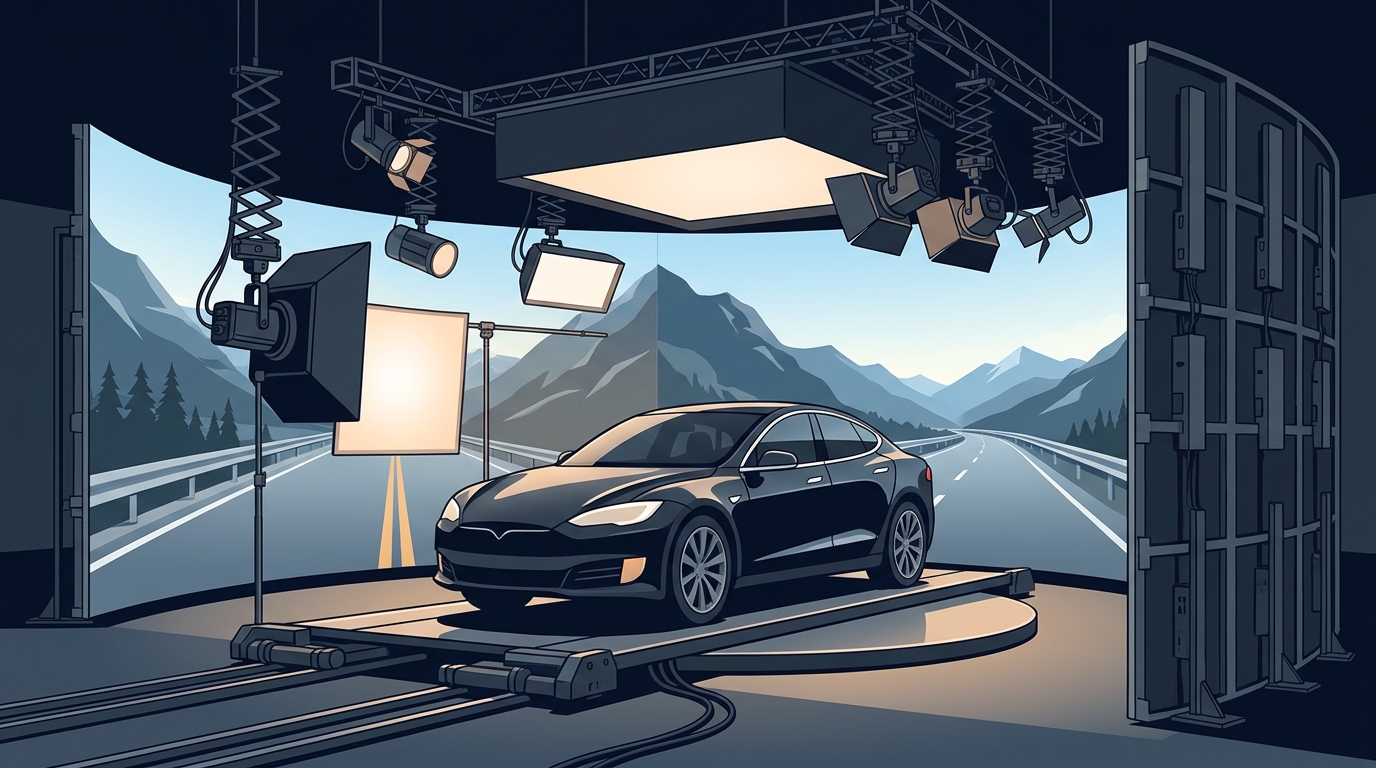
Applying precise lens distortion correction in the virtual engine prevents visual mismatches. Physical camera lenses introduce distortion that must be replicated in the virtual camera. If the virtual camera does not account for this distortion, the edges of the background will not align with the physical frame. This technique requires detailed lens profiling and is crucial for maintaining the integrity of the shot, especially with wide-angle lenses commonly used in automotive cinematography.
6. Designing for Depth of Field and Focus
Managing depth of field in the virtual environment helps isolate the vehicle from the background. While the LED wall provides a sharp background, the physical camera can still control focus. By using shallow depth of field, cinematographers can blur the background slightly, which helps to hide any minor imperfections in the virtual environment. This technique also adds a cinematic quality to the shot, making the vehicle the clear focal point of the scene.
7. Coordinating Pre-Production and Post-Production Workflows
Integrating pre-production planning with post-production workflows ensures a seamless final product. 24 ATL Studios covers every aspect of production, from pre-production to post-production. This holistic approach allows teams to identify potential issues early and address them during the shoot. By mitigating post-process costs, productions can achieve a higher level of visual fidelity without extending the timeline or budget.
Choosing the Right Technique for Your Scene
Selecting the appropriate technique depends on the specific requirements of the shot. For high-speed action, prioritize motion tracking and nodal point alignment. For static beauty shots, focus on lighting integration and lens distortion correction. By understanding the strengths of each technique, you can craft a workflow that delivers the best possible results for your production.
Frequently Asked Questions
What is the nodal point in car process?
The nodal point is the specific point in space where the physical camera and the virtual camera must be aligned to ensure that the background and the vehicle move in perfect synchronization.
How does an LED volume reduce post-production costs?
An LED volume provides real-time lighting and background, which reduces the need for extensive green screen keying and compositing in post-production. This streamlines the workflow and lowers overall production costs.
Can any vehicle be used in an LED volume?
Yes, most vehicles can be used in an LED volume, provided that they are properly tracked and that the lighting is managed to prevent unnatural reflections. The key is to ensure that the vehicle's movement is accurately captured by the tracking system.
What is the role of Unreal Engine in car process?
Unreal Engine is used to create the virtual environment and to render the background in real-time. It allows the virtual camera to move in sync with the physical camera, creating a seamless integration between the vehicle and the digital world.
How important is lens distortion correction?
Lens distortion correction is critical for ensuring that the virtual background aligns with the physical frame. Without it, the edges of the background will appear distorted, breaking the illusion of reality.
Does 24 ATL Studios offer car process services?
Yes, 24 ATL Studios offers specialized car process services, including LED volume wall production and Unreal Engine virtual sets. Their studio is designed to handle the unique challenges of shooting vehicle scenes.