
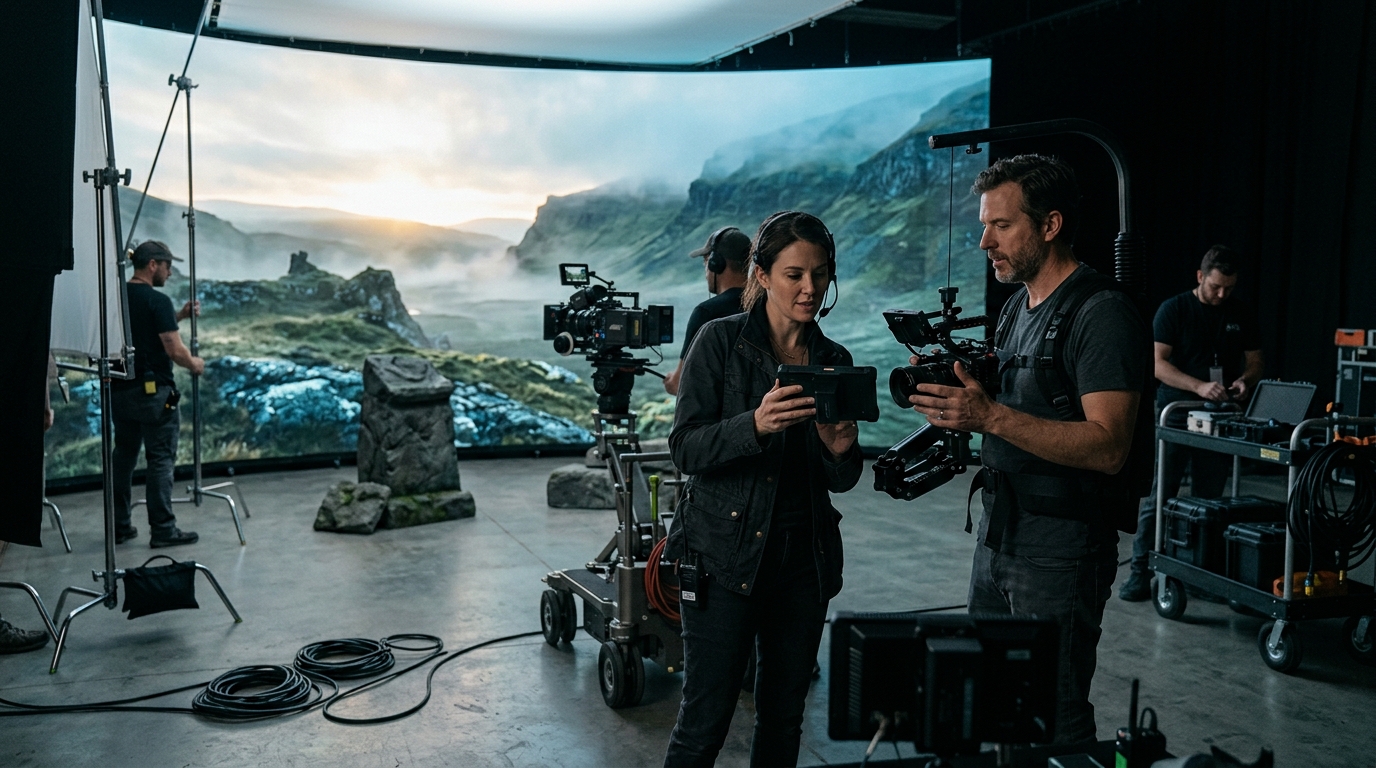
Modern filmmakers increasingly rely on immersive digital environments to replace traditional location shoots. This strategic shift drastically reduces logistical overhead while maintaining strict cinematic quality. Production teams now prioritize controlled lighting environments that completely eliminate weather dependencies and complex location permits. Understanding these core operational shifts ensures your project stays on schedule and remains within budget. Directors who master these workflows consistently deliver higher visual fidelity across every scene. Studios that implement these standards report significantly faster turnaround times during principal photography.
Understanding LED Volume Wall Architecture
Volume wall LED is a high-resolution digital backdrop system that renders real-time 3D environments. These massive display arrays replace physical sets and location plates. Crew members benefit from immediate visual feedback during setup. This technology eliminates the need for extensive physical construction. You should always verify pixel pitch specifications before booking studio time. Higher resolution panels prevent moiré patterns during close-up shots. Our team at 24ATL Studios ensures every panel meets broadcast-grade standards. Proper calibration prevents color bleeding across adjacent screens. Always request a technical walkthrough before your shoot day. Panel spacing directly impacts image clarity during extreme camera movements. You must coordinate with technical directors to verify refresh rates match your camera frame rates. This synchronization prevents rolling shutter artifacts during high-speed pans. Always test exposure limits before committing to final takes. Proper architectural planning guarantees seamless visual continuity across all scenes.
Optimizing Unreal Engine Integration
Unreal Engine integration is the computational process that synchronizes camera tracking data with background rendering. Real-time rendering requires precise latency management between tracking systems and display processors. Directors must establish clear communication with technical directors before rolling cameras. You should always test camera tracking rigs during pre-production. This practice prevents frame drops during complex movements. Our creative team at 24ATL Studios builds fully adaptable scenes for your specific concept. Adjusting asset resolution dynamically maintains smooth frame rates. Always verify tracking hardware compatibility with your chosen lens package. Proper synchronization guarantees seamless background tracking. You must allocate sufficient computing resources for complex particle effects. Rendering pipelines should prioritize foreground elements over distant background geometry. Always conduct stress tests with full camera rigs before principal photography. This preparation eliminates unexpected system crashes during critical takes. Reliable engine configuration ensures consistent visual performance throughout the shoot.
Managing Lighting and Color Science
LED panels emit direct light that interacts differently with actors and props. You must balance practical lighting with screen brightness to avoid overexposure. Color grading teams should establish a unified LUT before principal photography. This standardization prevents mismatched tones between foreground and background elements. Always monitor exposure levels using calibrated reference monitors. Our lighting technicians prioritize realistic shadow casting across the volume. You should avoid mixing tungsten and LED sources without careful filtration. Proper color management ensures consistent visual continuity across all takes. Always schedule a dedicated color calibration session before filming begins. You must account for light spill on actor costumes and set dressing. Reflective surfaces require specialized polarizing filters to prevent unwanted glare. Always document exposure settings for each camera angle. This documentation simplifies post production color grading workflows. Consistent lighting protocols guarantee broadcast-ready footage straight from the studio.
Executing the Car Process Protocol
Car process protocol is the specialized mechanical system that allows vehicles to drive safely on moving platforms. This infrastructure enables dynamic driving scenes inside controlled environments. Directors gain complete control over background movement and environmental conditions. You must coordinate vehicle weight limits with platform specifications. Our dedicated car process infrastructure supports standard production vehicles. Always verify suspension travel and steering clearance before loading equipment. Proper platform calibration prevents unwanted vibration during high-speed shots. You should always conduct safety rehearsals with stunt coordinators. This protocol eliminates dangerous outdoor traffic risks entirely. You must secure all loose interior components before platform activation. Engine cooling systems require dedicated ventilation to prevent overheating during extended takes. Always monitor platform speed limits to maintain background tracking accuracy. Proper vehicle preparation ensures smooth camera movements throughout the sequence. Reliable mechanical operations guarantee safe and efficient principal photography.
Streamlining Post Production Workflows
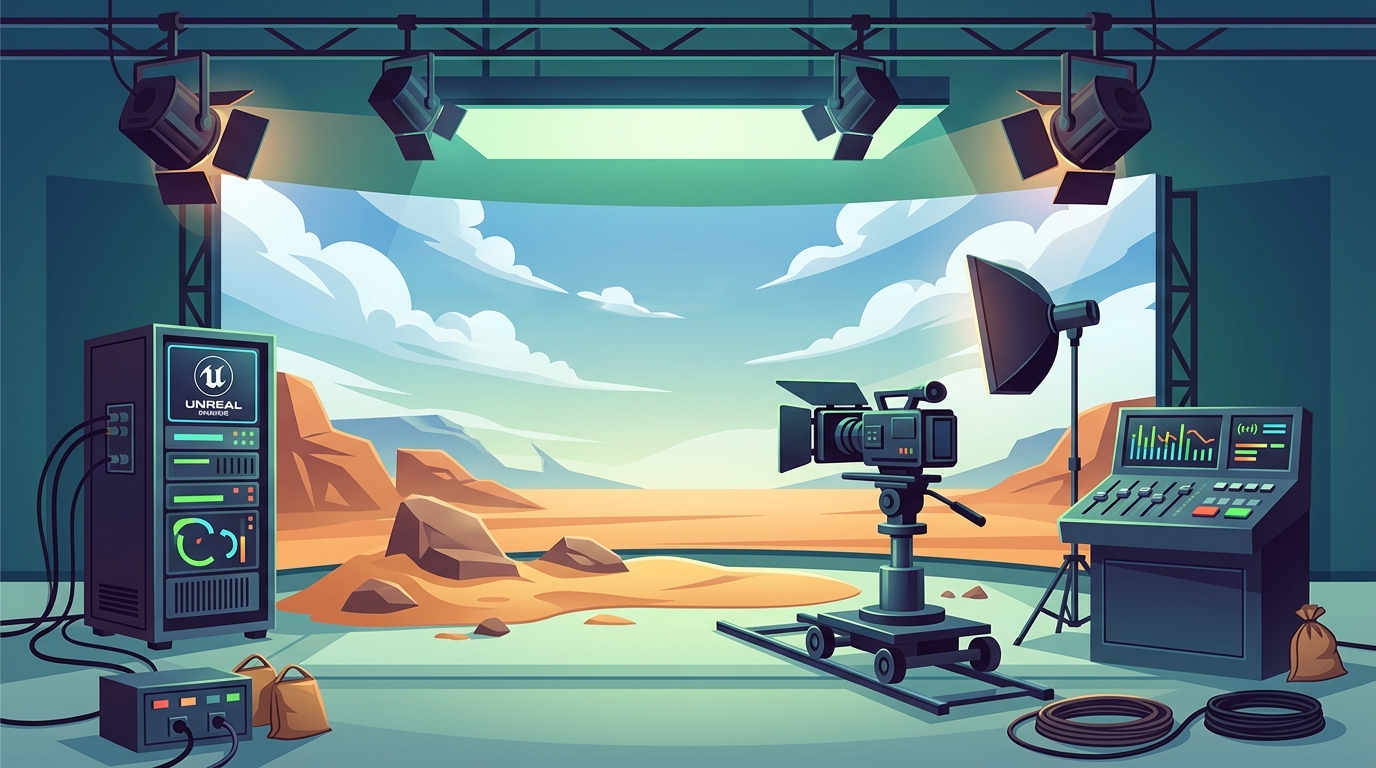
LED volume walls drastically reduce post production visual effects requirements. Background plates render directly on set, eliminating extensive keying processes. Editors receive final composite footage straight from principal photography. This workflow significantly shortens delivery timelines for clients. You should always archive raw tracking data alongside final renders. Our post production team at 24ATL Studios ensures seamless file handoffs. You can skip traditional green screen spill correction entirely. Always verify codec compatibility with your editing software. This approach guarantees maximum creative flexibility during final cuts. You must organize media files according to studio naming conventions. Consistent file structures prevent version control conflicts during editing. Always backup raw tracking logs before delivering final masters. This practice preserves technical data for future sequels or remastering. Efficient file management accelerates client approval processes. Reliable post production workflows maximize studio utilization rates.
Key Takeaways
- Volume wall LED systems replace physical sets while maintaining broadcast-grade resolution.
- Unreal Engine integration requires precise camera tracking synchronization for smooth rendering.
- Color calibration must occur before principal photography to prevent exposure mismatches.
- Car process protocol enables safe dynamic driving scenes inside controlled environments.
- Real-time rendering eliminates extensive post production visual effects requirements.
- Proper platform calibration prevents unwanted vibration during high-speed vehicle shots.
- Archiving raw tracking data alongside final renders ensures maximum creative flexibility.
Frequently Asked Questions
What pixel pitch is recommended for close-up shots?
Close-up shots typically require a pixel pitch of 1.25 millimeters or lower. Higher resolution panels prevent visible pixelation during extreme camera proximity. Always verify panel specifications with your technical director before booking studio time.
How does camera tracking affect background rendering?
Camera tracking systems transmit positional data to rendering processors in real time. This synchronization ensures the background perspective matches the physical camera movement. Any tracking latency directly impacts visual continuity during complex shots.
Can standard production vehicles operate on the car process platform?
Standard production vehicles operate safely on our dedicated car process platform. Weight limits and suspension clearances are carefully calculated before each session. Always provide vehicle specifications to our operations team in advance.
Is green screen keying still required for LED volume shoots?
Green screen keying is entirely unnecessary when utilizing modern LED volume walls. Background environments render directly on set, eliminating digital compositing requirements. This approach significantly reduces post production visual effects timelines.
How long does a typical volume studio session last?
Typical volume studio sessions range from eight to twelve hours. Extended shooting days require additional lighting calibration and asset adjustments. Always schedule buffer time for technical troubleshooting during principal photography.
What tracking hardware works best with Unreal Engine environments?
Optical tracking arrays work best with Unreal Engine environments. These systems provide precise positional data for real-time rendering. Always verify hardware compatibility with your technical director before filming.
Do you provide custom asset creation for specific concepts?
We provide custom asset creation for specific concepts. Our technical artists build fully adaptable scenes tailored to your script. You should submit concept art during the pre-production planning phase.
Book Your Volume Studio Session
Ready to elevate your next production with immersive digital environments? Our team specializes in delivering broadcast-quality virtual sets for film, television, and commercial projects. Contact our operations department today to schedule a technical consultation. Visit our contact page to request availability and pricing details. Secure your preferred studio dates before peak production seasons arrive. Experience the future of cinematic storytelling today.
| Production Phase | Primary Focus | Operational Benefit |
|---|---|---|
| Pre-Production | Asset Development and Tracking Calibration | Eliminates physical set construction costs |
| Principal Photography | Real-Time Rendering and Lighting Balance | Provides immediate visual feedback on set |
| Post Production | File Archiving and Color Grading | Reduces visual effects turnaround time |
| Vehicle Integration | Platform Calibration and Safety Protocols | Enables dynamic driving scenes indoors |