
Step-by-Step Guide to Finding and Booking a Virtual Production Studio in Atlanta
Virtual production has fundamentally altered the landscape of modern filmmaking. According to a 2024 industry report by PC Gamer, the global virtual production market is projected to expand at a compound annual growth rate of over 20% through 2030. This surge is driven by the demand for immersive, real-time environments that replace traditional green screens. Atlanta, Georgia, has emerged as a critical hub for this technology, hosting some of the most advanced LED volume walls in the world. For producers and directors, understanding how to navigate this ecosystem is essential for cost efficiency and creative success.
Understanding Virtual Production Technology
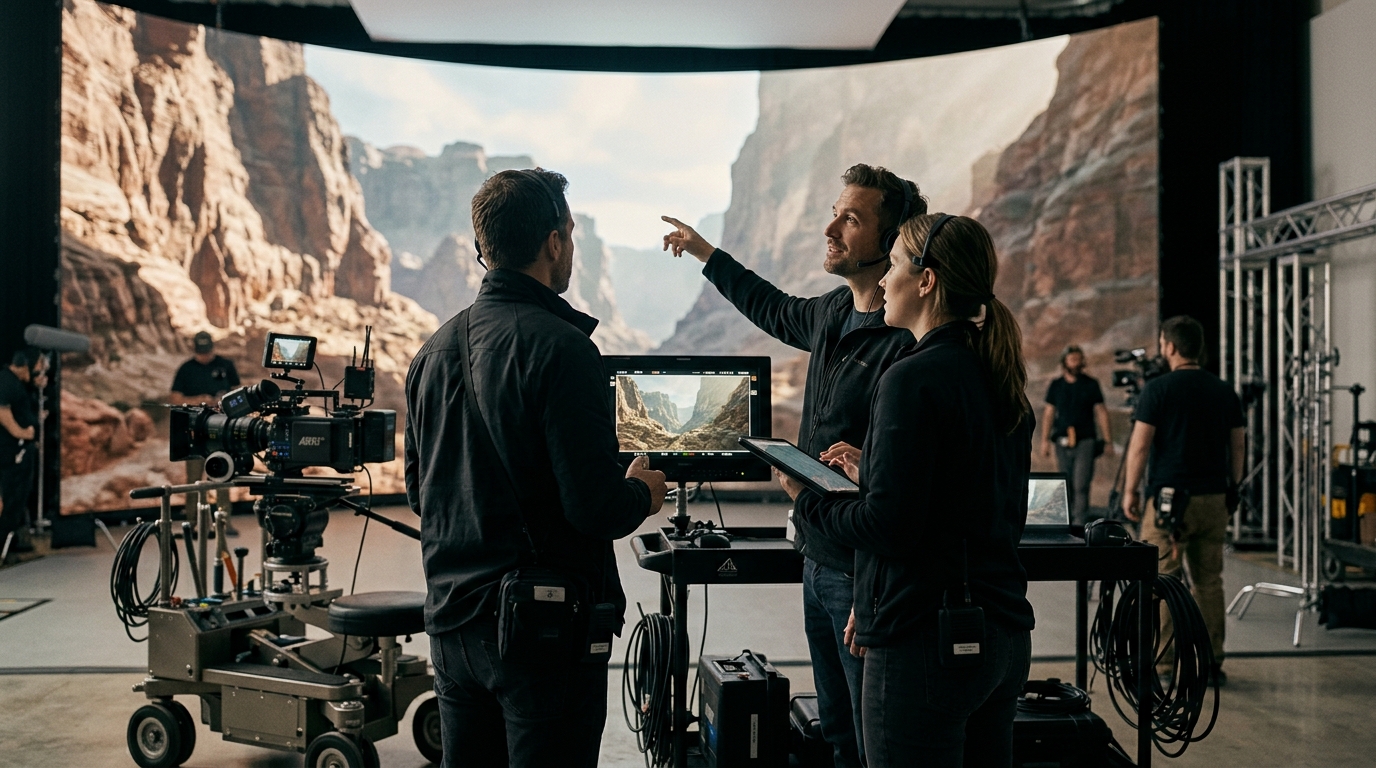
Virtual production is not merely a post-production effect. It is a methodology that integrates real-time 3D rendering with live camera tracking to create immersive backgrounds during principal photography. This technology allows filmmakers to see the final composite image on set, enabling better lighting decisions and creative adjustments in real time.
At the core of this technology is the LED volume wall. This is a massive, curved screen composed of thousands of high-resolution LEDs that surround the set. The Unreal Engine software drives these screens, rendering 3D environments that respond to camera movement. This creates a seamless blend between the physical actors and the digital background.
One of the primary advantages of this method is the elimination of green screen spill. Green screen footage often requires extensive color correction and keying in post-production. Virtual production mitigates these costs by providing accurate lighting reflections on actors and props directly on set. This results in a more natural look and significantly reduces the time spent in the editing bay.
Defining Your Creative Needs
Before contacting any studio, you must define the scope of your project. Virtual production is versatile, but it serves different purposes for commercials, music videos, and feature films. Understanding your specific requirements will help you select the right facility.
For commercial clients, speed is often the primary driver. Advertisements benefit from the ability to change locations instantly. A car commercial, for example, can transition from a city street to a mountain pass without moving the vehicle. This capability is known as the car process. It allows for safe, controlled shooting of dynamic driving scenes without the logistical nightmare of location permits.
For music video production, the focus is often on visual spectacle. The LED walls allow for surreal, impossible environments that would be too expensive to build physically. Artists can perform in a digital forest, a futuristic city, or a historical era, all while remaining in a controlled studio environment.
Television and film productions utilize virtual production for world-building. Series like The Mandalorian popularized the use of LED volumes to create expansive sci-fi landscapes. If your project requires complex, multi-location narratives, virtual production can consolidate these into a single soundstage, saving millions in travel and accommodation costs.
Evaluating Studio Capabilities
Not all virtual production studios are created equal. When evaluating potential partners, you must look beyond the size of the LED wall. The quality of the technology, the expertise of the team, and the flexibility of the space are critical factors.
| Feature | Standard Green Screen | Basic LED Volume | Advanced Unreal Engine Volume |
|---|---|---|---|
| Lighting Accuracy | Low (Requires Post) | Medium | High (Real-Time) |
| Reflections on Actors | None | Limited | Dynamic & Accurate |
| Post-Production VFX Load | High | Medium | Minimal |
| Creative Flexibility | Low | Medium | Unlimited |
Look for studios that utilize industry-standard software like Unreal Engine. This ensures compatibility with your existing pipeline and allows for the use of pre-built assets. The studio should also offer adaptable scenes and background plates that can be customized to your concept.
Team expertise is another crucial consideration. Virtual production requires a specialized crew, including technical directors, 3D artists, and camera operators trained in real-time tracking. A studio with a dedicated creative director and technical team can guide you through the pre-production phase, ensuring that your digital environments are optimized for the shoot.
The Booking Process
Booking a virtual production studio involves several steps. It is not a simple transaction but a collaborative process that begins long before the cameras roll. Early engagement allows for proper planning and asset creation.
The first step is to frame your shoot. Contact the studio with your script, storyboard, or concept art. Discuss your timeline, budget, and creative goals. The studio will provide a preliminary assessment of what is possible within your constraints.
Next, move into pre-production. This phase involves creating the digital environments. The studio’s team will build the Unreal Engine scenes, ensuring that they are optimized for real-time rendering. This includes lighting, textures, and camera angles. You will have the opportunity to review these assets and request changes.
Once the assets are approved, schedule a tech day. This is a test shoot where you can verify camera tracking, lighting, and the overall look of the virtual set. It allows you to identify any technical issues before the main production day. This step is critical for ensuring a smooth shoot.
Finally, confirm the booking. Virtual production studios often have limited availability due to the high demand for their technology. Secure your dates early, especially if you are planning a shoot during peak production seasons in Atlanta.
Maximizing Your Production Value
To get the most out of your virtual production experience, you must leverage the technology fully. This means integrating the virtual elements into your creative process from the start, not just as an afterthought.
Use the LED walls for lighting. The light emitted from the screens can illuminate your actors and props, creating realistic interactions between the physical and digital worlds. This reduces the need for additional lighting equipment and simplifies the setup.
Collaborate closely with the technical team. Virtual production is a hybrid discipline that blends film and technology. Your crew should work together to solve problems in real time. The studio’s team can provide insights on camera movement, lens selection, and rendering techniques to enhance the final image.
Consider the post-production implications. While virtual production reduces the VFX load, it does not eliminate it entirely. You may still need color grading, compositing, or minor digital adjustments. Plan your post-production schedule accordingly to ensure a timely delivery.
Key Takeaways
- Virtual production reduces post-production VFX costs by providing real-time compositing on set.
- Atlanta is a leading hub for LED volume wall technology, offering advanced Unreal Engine capabilities.
- The car process allows for dynamic driving scenes without the need for location permits or safety risks.
- Early engagement with the studio is essential for asset creation and technical planning.
- LED walls eliminate green screen spill, resulting in more natural lighting and reflections.
- Virtual production is suitable for commercials, music videos, film, and television.
- Booking requires a collaborative pre-production phase to build and test digital environments.
Frequently Asked Questions
What is the cost of booking a virtual production studio in Atlanta?
Costs vary based on the size of the LED wall, the complexity of the digital assets, and the duration of the shoot. Generally, virtual production can reduce overall production costs by minimizing location fees and post-production time. Contact the studio for a detailed quote tailored to your project.
How does virtual production compare to green screen?
Virtual production offers superior lighting accuracy and real-time feedback compared to green screen. Actors can interact with their environment, and directors can see the final composite image immediately. This leads to faster decision-making and a more immersive performance.
Can I use my own digital assets in the studio?
Yes, many studios allow you to bring your own 3D models and environments. However, they must be optimized for real-time rendering in Unreal Engine. The studio’s technical team can assist with optimization and integration.
What is the car process in virtual production?
The car process involves mounting a vehicle on a trailer or rig inside the LED volume. The background moves in sync with the camera, creating the illusion of driving. This method is safer and more cost-effective than shooting on actual roads.
How far in advance should I book a virtual production studio?
It is recommended to book at least 3 to 6 months in advance. This allows time for pre-production, asset creation, and technical testing. Peak seasons may require even earlier booking.
Is virtual production suitable for music videos?
Absolutely. Music videos benefit greatly from the visual spectacle and creative freedom that LED volumes provide. Artists can perform in impossible environments, enhancing the artistic vision of the song.
What role does Unreal Engine play in virtual production?
Unreal Engine is the real-time 3D creation tool that drives the LED walls. It renders the digital environments in real time, responding to camera movement and lighting changes. This technology is the backbone of modern virtual production.
Frame Your Shoot
Ready to elevate your production with cutting-edge technology? Contact 24ATL Studios today to discuss your project. Our team of experts is ready to help you frame your shoot and bring your creative vision to life. Visit our Frame Your Shoot page to get started. You can also reach out directly to our creative director, Nick, at Nick@24atl.com or call 407.446.8970. Experience the future of filmmaking in Atlanta.