
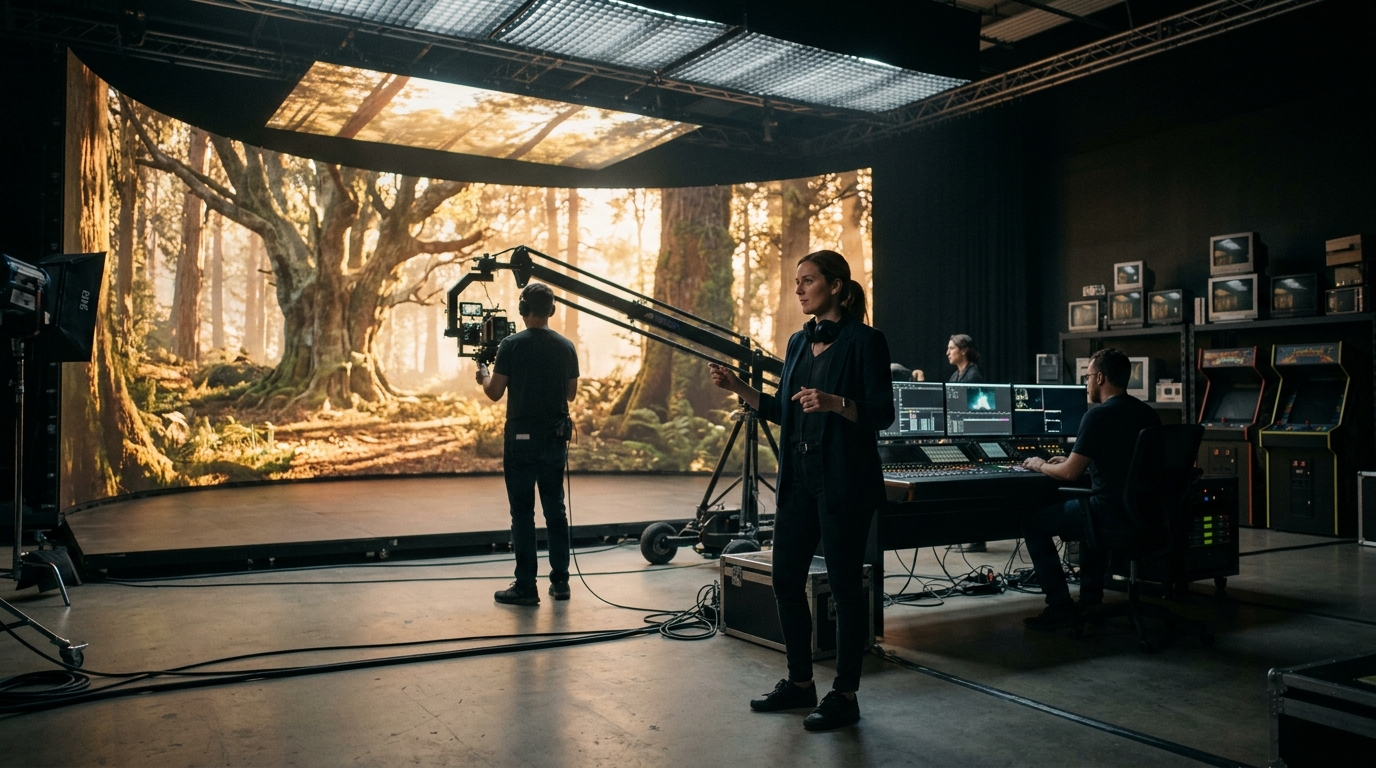
Building a modern virtual production facility requires substantial capital investment across hardware, software, and specialized labor. Industry benchmarks indicate that initial infrastructure deployment typically ranges from two hundred thousand to over one million dollars depending on scale. This financial commitment directly impacts project margins and long-term operational viability. Production teams must evaluate every component before committing capital to ensure sustainable returns. Understanding these financial parameters allows creative directors to allocate resources efficiently across multiple projects.
LED Volume Wall Infrastructure Costs
LED volume walls represent the largest capital expenditure for any virtual production facility. These massive display arrays require specialized mounting systems, high-bandwidth cabling, and precision calibration equipment. The physical dimensions of the wall directly correlate with rental rates and construction budgets. Larger stages accommodate complex camera movements and wider focal lengths without visible pixelation. Smaller setups remain viable for close-up dialogue scenes and controlled commercial shoots. Studio rental rates fluctuate based on stage size and technical specifications. Facilities that invest in high-resolution panels reduce post-production visual effects overhead significantly. The upfront investment pays for itself through repeated utilization across multiple productions.
Unreal Engine Software Licensing and Hardware
Real-time rendering engines form the computational backbone of modern virtual sets. Unreal Engine provides the core rendering pipeline that drives interactive background environments. Licensing fees vary depending on commercial usage thresholds and enterprise distribution models. High-performance graphics processing units must process complex lighting calculations without frame drops. Rendering farms require specialized cooling systems and redundant power supplies to maintain stability. Software licensing costs remain a recurring operational expense rather than a one-time purchase. Technical directors must allocate budget for continuous engine updates and plugin acquisitions. Hardware upgrades typically occur every three to five years to maintain competitive rendering speeds. These computational requirements directly impact the total cost of ownership for the facility.
Pre-Production and Asset Development Expenses
Custom environment creation demands specialized digital artists and technical modelers. Asset development pipelines require version control systems and collaborative editing platforms. Background plates and interactive elements must match real-world lighting conditions precisely. Pre-visualization software enables directors to test camera angles before physical construction begins. Custom tailored Unreal Engine environments allow creators to adapt scenes to specific narrative requirements. Asset development costs scale with the complexity of requested environments. Facilities that maintain extensive library collections reduce per-project expenses over time. Digital asset management systems prevent redundant work and accelerate project turnaround times. These operational efficiencies directly improve profit margins for recurring clients.
Post-Production Workflow Savings Analysis
Traditional filming methods generate substantial expenses through location permits, transportation, and physical set construction. Virtual production eliminates many of these logistical burdens by projecting environments directly onto LED panels. Green screen spill and chroma key artifacts disappear when subjects interact with real-time lighting. Post-processing visual effects cycles become significantly shorter when in-camera rendering replaces digital compositing. Post-production savings frequently offset initial infrastructure investments within the first year. Production teams report reduced shooting schedules and fewer location scouting trips. These operational efficiencies translate directly into higher profit margins for independent filmmakers. The simplified workflow also reduces the risk of costly reshoots caused by lighting mismatches.
Operational Staffing and Technical Support
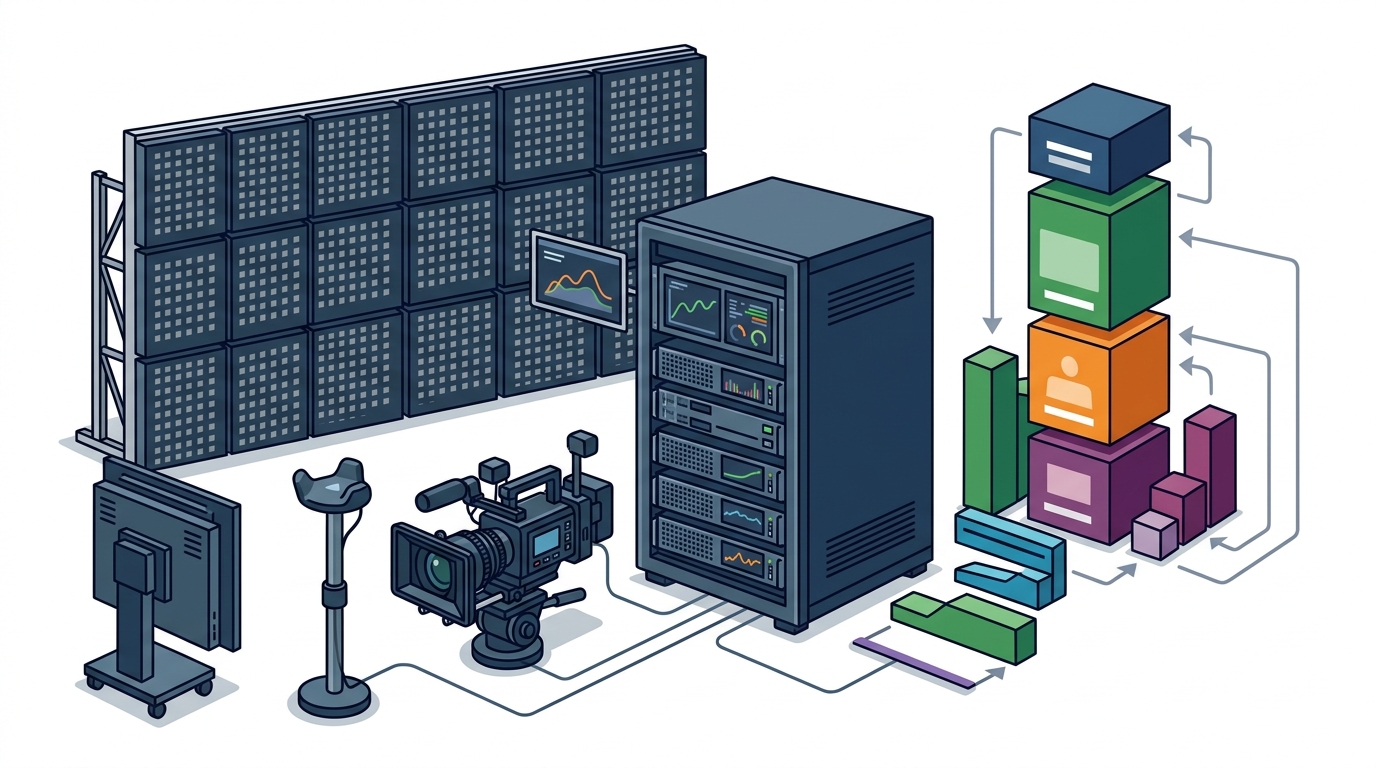
Running a functional virtual production facility requires specialized technical personnel across multiple disciplines. Creative directors oversee project alignment while technical directors manage real-time rendering pipelines. Camera tracking specialists ensure precise synchronization between physical movements and digital environments. Lighting technicians must balance practical fixtures with LED panel output to prevent color contamination. Staffing expenses represent a recurring operational cost that scales with project volume. Facilities that cross-train personnel reduce dependency on external contractors during peak production periods. Technical support contracts cover hardware repairs and software troubleshooting during active shoots. These operational costs remain predictable when managed through standardized service agreements.
Facility Construction and Environmental Controls
Physical studio construction requires reinforced flooring to support heavy camera dollies and lighting rigs. Climate control systems must maintain optimal temperatures for both electronic equipment and human crews. Soundproofing materials prevent external noise from contaminating dialogue recordings during live shoots. Fire suppression systems require specialized gas-based solutions to protect sensitive LED panels. Construction permits vary significantly depending on local zoning regulations and building codes. Facilities that invest in modular wall systems allow rapid reconfiguration for different project requirements. Parking infrastructure and loading docks must accommodate large equipment transport vehicles. These physical requirements establish the baseline operational capacity for long-term business viability.
| Component Category | Estimated Initial Investment | Annual Maintenance Cost | Operational Impact |
|---|---|---|---|
| LED Volume Wall Panels | $150,000 to $600,000 | $10,000 to $25,000 | Primary visual output and lighting integration |
| Real-Time Rendering Hardware | $50,000 to $200,000 | $5,000 to $15,000 | Computational processing and engine stability |
| Camera Tracking Systems | $30,000 to $100,000 | $3,000 to $8,000 | Synchronization and spatial mapping accuracy |
| Software Licensing Subscriptions | $10,000 to $50,000 | $10,000 to $50,000 | Continuous engine updates and plugin access |
| Facility Construction & Permits | $200,000 to $800,000 | $15,000 to $40,000 | Structural integrity and environmental control |
Key Takeaways
- LED volume walls typically require initial investments between one hundred fifty thousand and six hundred thousand dollars depending on resolution and stage size.
- Real-time rendering hardware demands specialized graphics processing units that cost between fifty thousand and two hundred thousand dollars upfront.
- Camera tracking systems synchronize physical movements with digital environments and range from thirty thousand to one hundred thousand dollars.
- Software licensing subscriptions remain recurring annual expenses that scale with commercial usage thresholds and enterprise distribution models.
- Facility construction costs vary significantly based on local zoning regulations and required environmental control infrastructure.
- Post-production workflow savings frequently offset initial infrastructure investments within the first twelve months of operation.
- Cross-trained technical personnel reduce dependency on external contractors and improve project turnaround times across multiple productions.
Frequently Asked Questions
What is the average cost to lease an LED volume wall studio?
Leasing rates typically range from five thousand to twenty thousand dollars per day depending on stage dimensions and technical specifications. Larger facilities command higher daily rates due to increased power requirements and specialized mounting systems. Short-term rentals often include basic technical support while extended bookings may require additional staffing fees.
How much does Unreal Engine software licensing cost for commercial projects?
Commercial licensing fees generally start at one hundred twenty-five dollars per seat with enterprise packages scaling based on user volume. Subscription models require annual renewals to maintain access to engine updates and plugin marketplaces. Facilities that utilize multiple workstations must budget accordingly for concurrent licensing requirements.
What is a camera tracking system and why does it matter?
A camera tracking system is a specialized hardware solution that records lens parameters and physical positioning to synchronize digital environments with real-world movements. These devices ensure that projected backgrounds respond accurately to camera pans, tilts, and zooms. Without precise tracking, virtual sets appear disconnected from live action footage.
Can virtual production reduce overall filming budgets?
Virtual production frequently reduces overall filming budgets by eliminating location permits, transportation costs, and physical set construction expenses. In-camera rendering replaces lengthy digital compositing cycles and reduces post-production turnaround times. Production teams report faster shooting schedules and fewer logistical complications during active shoots.
What technical staff members are required to operate a studio?
Core operational teams require creative directors, technical directors, camera tracking specialists, and lighting technicians to maintain daily functionality. Additional personnel may include digital asset managers and software engineers for continuous engine optimization. Cross-training existing staff reduces dependency on external contractors during peak production periods.
How long does it take to construct a functional virtual production facility?
Construction timelines typically span four to eight months depending on facility size and local permitting requirements. Modular wall systems accelerate installation while custom architectural designs require extended engineering phases. Climate control calibration and electronic testing add additional weeks to the final deployment schedule.
What maintenance expenses should studios budget annually?
Annual maintenance budgets typically range from thirty thousand to one hundred thousand dollars depending on panel replacement cycles and hardware upgrades. Regular software updates prevent rendering errors and maintain compatibility with evolving camera equipment. Preventive maintenance schedules reduce unexpected downtime during active production shoots.
Ready to Build Your Virtual Production Facility?
Understanding the complete financial landscape enables creative directors to allocate resources efficiently across multiple projects. Our team provides comprehensive technical support and customized Unreal Engine environments to accelerate your next production. Contact our studio today to schedule a facility tour and discuss your specific project requirements. Visit https://24atl.com/ to explore available booking options and technical specifications.