
Can I Use Unreal Engine Technology for Film Production in Atlanta?
Modern filmmakers increasingly rely on real-time rendering to streamline complex shoots. According to recent industry reports, virtual production workflows reduce location scouting expenses by nearly forty percent across major metropolitan hubs. This shift directly impacts budget allocation and creative control. Atlanta has rapidly emerged as a premier destination for high-end visual content. Local studios now integrate advanced LED volume walls alongside proprietary software ecosystems. Productions benefit from immediate visual feedback and drastically shortened post-production cycles. Understanding the technical requirements and regional advantages remains essential for directors and producers planning their next project.
Understanding Unreal Engine Film Production
Unreal Engine is a comprehensive real-time 3D creation platform designed for interactive visual experiences. Directors utilize this software to generate photorealistic environments during active filming. The technology replaces traditional physical sets with dynamic digital backdrops. This approach eliminates physical construction delays and reduces material waste. Productions gain the ability to adjust lighting and camera angles in real time. The resulting workflow accelerates decision-making on set. Creators maintain complete creative authority without waiting for post-production rendering cycles. Explore the technical specifications at Unreal Engine official documentation to verify compatibility with your specific camera hardware.
Real-Time Rendering Capabilities
Real-time rendering is the computational process that generates visual frames instantly as camera movements occur. Studios leverage GPU clusters to maintain high frame rates without latency. This capability allows cinematographers to compose shots with accurate exposure and color grading. The immediate feedback loop prevents costly reshoots. Productions achieve broadcast-quality visuals directly from the camera sensor.
The LED Volume Wall Advantage
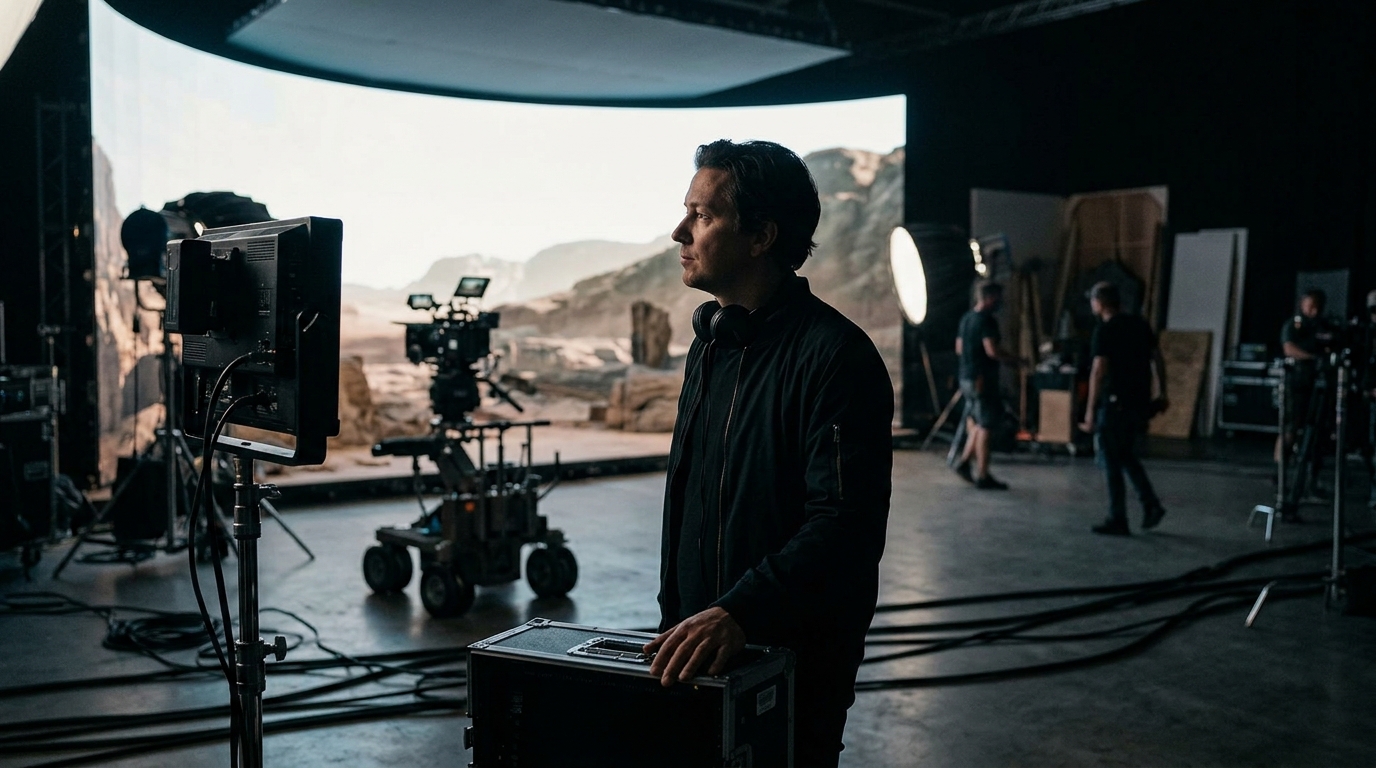
An LED volume wall is a massive curved display system that wraps around the filming area to project interactive digital environments. These installations replace traditional green screens and eliminate chroma key spill. Actors receive accurate lighting reflections directly from the surrounding displays. This physical interaction creates authentic visual continuity between foreground talent and background scenery. Productions benefit from reduced compositing requirements and faster delivery timelines. The technology standardizes lighting consistency across multiple camera angles. Learn more about our facility at Volume Studio page to review available wall configurations.
Immersive Set Design
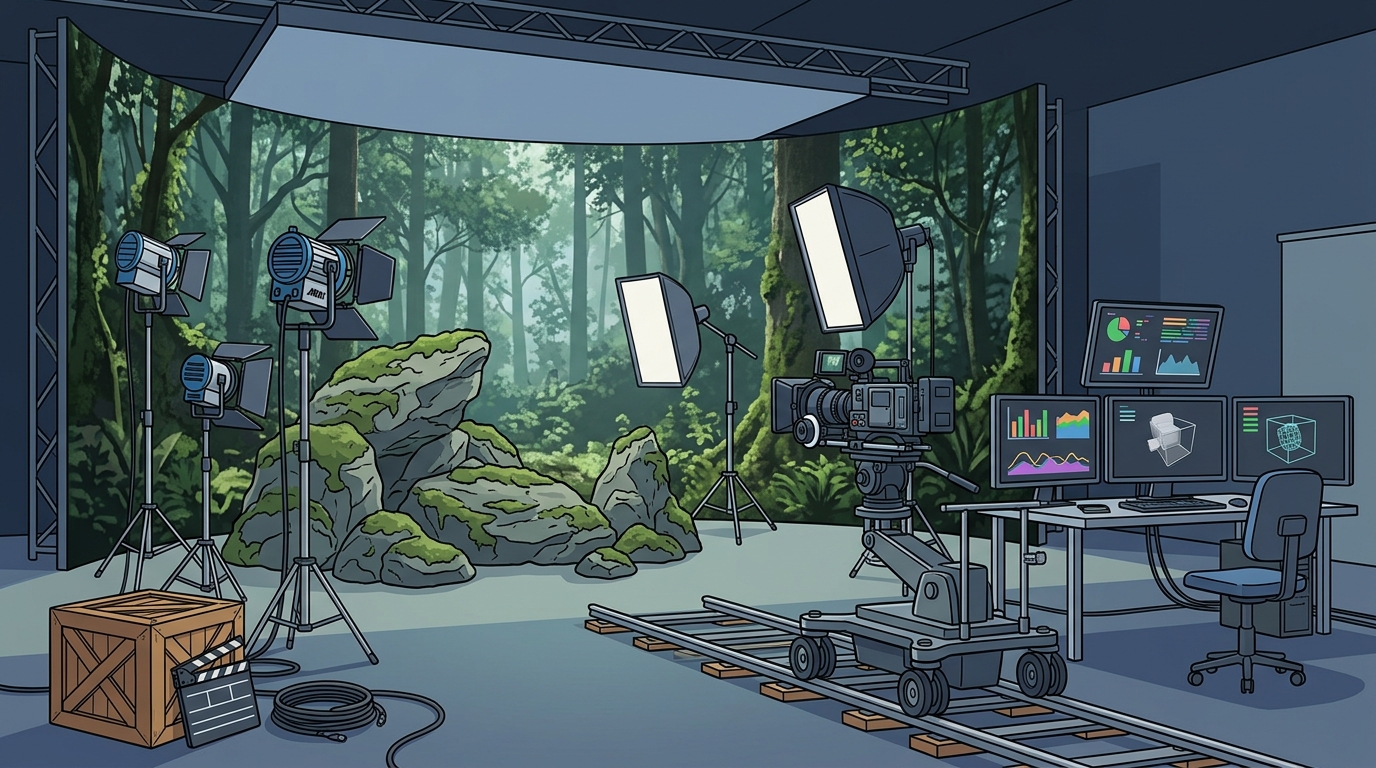
Immersive set design refers to the architectural integration of digital assets with physical camera rigs. Studios construct custom tailored environments that adapt to specific narrative requirements. Background plates or specialized environments are readily available for unique lighting setups. Directors can transition between locations without logistical relocation. The physical space remains constant while the digital world shifts instantly.
The Atlanta Production Ecosystem
Georgia maintains one of the most competitive tax incentive programs in the United States. According to state economic data, the entertainment industry generated over three billion dollars in direct economic impact last fiscal year. This financial framework attracts major studios and independent creators alike. Atlanta provides a highly skilled technical workforce alongside established infrastructure. Productions capitalize on local vendor networks and specialized equipment rentals. The regional ecosystem supports complex shoots from initial concept to final delivery. Review regional incentive details at Georgia Film Association resources to maximize your production budget.
Regional Infrastructure Support
Regional infrastructure support encompasses transportation logistics, housing accommodations, and municipal permitting processes. Local agencies streamline permit approvals to minimize scheduling conflicts. Crew members access specialized training programs and certification pathways. Productions experience fewer bureaucratic delays compared to other major markets. The combination of financial incentives and technical expertise creates a highly efficient production environment.
Car Process Integration
Car process integration is the technical methodology that synchronizes vehicle motion with dynamic digital backgrounds. Studios utilize specialized trailers equipped with motion platforms to simulate road conditions. Camera rigs mount directly to these platforms to capture stable footage. Actors experience realistic vibration and acceleration without actual road travel. This method drastically reduces safety risks and insurance liabilities. Productions achieve seamless motion tracking across complex driving sequences. Discover our specialized equipment at Car Process page to understand motion platform capabilities.
Motion Platform Specifications
Motion platform specifications define the mechanical capabilities required to replicate vehicle dynamics. Hydraulic actuators adjust pitch, roll, and yaw in precise synchronization with digital environments. Camera operators maintain consistent framing while the platform simulates terrain changes. Productions avoid dangerous stunt driving and expensive location permits. The system guarantees repeatable results across multiple takes.
Cost Efficiency Analysis
Virtual production workflows consistently demonstrate significant budget reductions across major production categories. Industry benchmarks indicate that studios save approximately fifty percent on traditional location expenses. Extended shooting schedules disappear when digital environments replace physical construction. Post-production visual effects costs decrease due to simplified compositing requirements. Productions allocate remaining funds toward talent acquisition and marketing campaigns. The financial model favors creators seeking maximum creative output within strict budgets. Examine our streamlined workflow at Pre-Production page and Post-Production page to see how costs are mitigated.
Post-Production Simplification
Post-production simplification occurs when real-time rendering eliminates extensive digital compositing phases. Editors receive near-final visuals directly from the volume wall. Color grading and lighting adjustments require minimal correction during final export. Studios deliver projects faster while maintaining higher quality standards. The streamlined pipeline reduces vendor dependencies and scheduling conflicts.
| Production Method | Setup Complexity | Post-Production Requirements | Cost Efficiency Rating |
|---|---|---|---|
| Traditional Physical Sets | High | Extensive | Low |
| Green Screen Compositing | Moderate | Heavy | Moderate |
| LED Volume Wall Integration | Low | Minimal | High |
| Car Process Trailer Systems | Moderate | Light | High |
Key Takeaways
- Unreal Engine technology enables real-time 3D environment generation for active filming.
- LED volume walls eliminate chroma key spill and provide accurate lighting reflections.
- Georgia tax incentives generated over three billion dollars in direct economic impact last fiscal year.
- Car process integration synchronizes vehicle motion with dynamic digital backgrounds.
- Virtual production workflows reduce location expenses by nearly forty percent across major markets.
- Post-production visual effects costs decrease due to simplified compositing requirements.
- Local studios offer fully adaptable scenes and proprietary asset libraries for custom projects.
Frequently Asked Questions
Is Unreal Engine technology compatible with traditional camera rigs?
Yes. The software integrates seamlessly with standard cinema cameras and motion tracking systems. Productions maintain full creative control while leveraging real-time rendering capabilities.
How does an LED volume wall improve actor performance?
Actors receive accurate environmental lighting and realistic background reflections. This physical interaction enhances emotional delivery and eliminates green screen guessing.
What types of projects utilize car process integration?
Automotive commercials, action sequences, and documentary driving scenes benefit from motion platform synchronization. Studios achieve safe, repeatable results without road permits.
Can independent filmmakers access virtual production facilities in Atlanta?
Absolutely. Local studios offer flexible booking options tailored to independent budgets. Creators gain access to professional-grade equipment and technical support.
How long does a typical virtual production shoot require?
Most projects complete principal photography within three to five days. The streamlined workflow eliminates location scouting and physical set construction delays.
What software ecosystems power modern LED volume walls?
Proprietary rendering engines drive high-fidelity digital environments. Studios customize asset libraries to match specific narrative requirements.
Does virtual production reduce post-production visual effects costs?
Yes. Real-time rendering captures near-final visuals directly from the camera. Compositing phases require minimal correction during final export.
Book Your Production
Ready to elevate your next project with cutting-edge virtual production technology? Our team provides comprehensive support from initial concept to final delivery. Contact our studio directly to schedule a facility tour or discuss your creative requirements. Visit https://24atl.com/ to explore available booking windows and technical specifications. Secure your production date today and experience the future of filmmaking.