
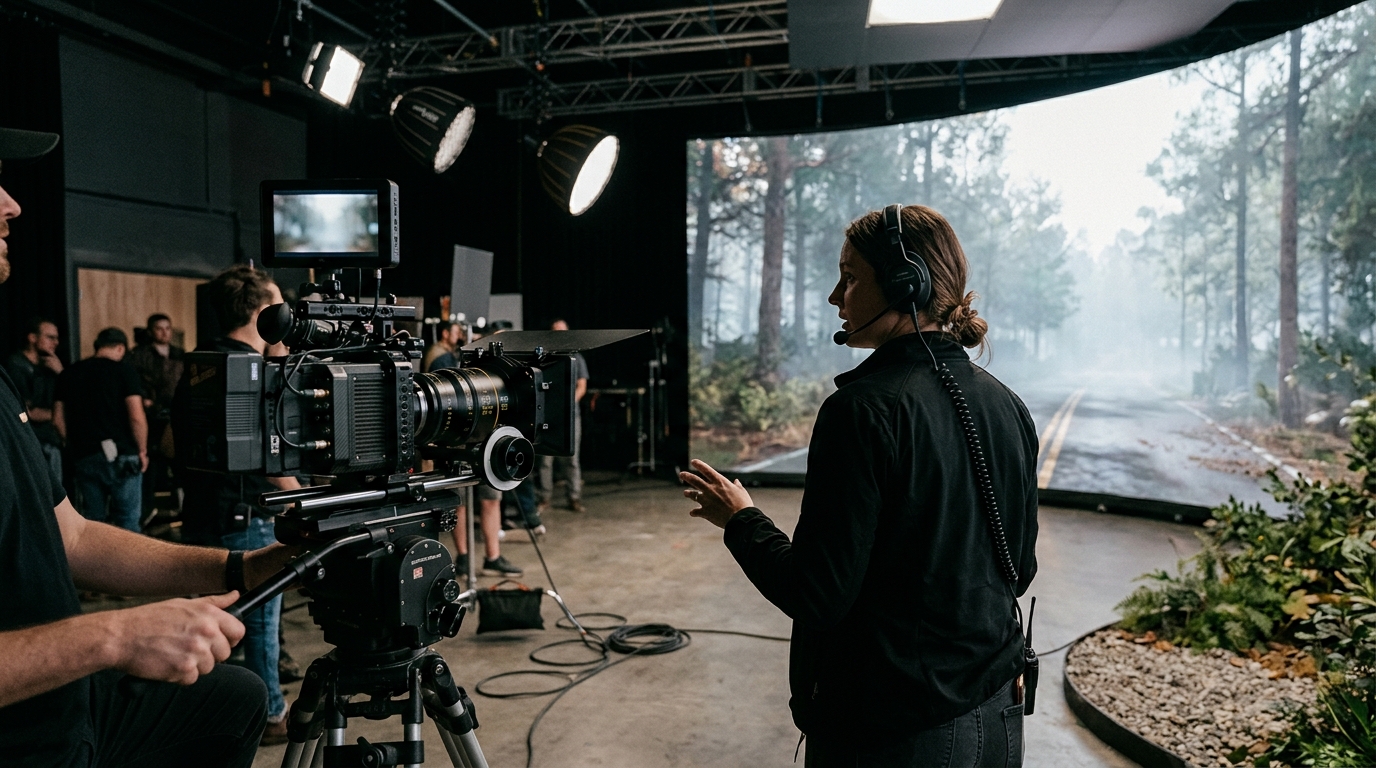
Selecting the correct virtual production facility requires a systematic evaluation of technical infrastructure, creative flexibility, and operational efficiency. Modern productions demand seamless integration between physical sets and digital environments to maintain visual continuity across every shot. Production managers must verify that the facility supports real-time rendering, accurate lighting capture, and streamlined asset management. This guide outlines the essential evaluation framework for securing a studio that aligns with your creative vision and logistical constraints.
Evaluate LED Volume Wall Capabilities
The foundation of any modern virtual production facility centers on the LED volume wall system. This technology replaces traditional green screen setups by projecting dynamic backgrounds directly onto curved display panels. The curved geometry eliminates perspective distortion and prevents color spill onto actors and foreground props. You must verify the pixel pitch, refresh rate, and brightness output to ensure compatibility with high-resolution camera sensors. A properly calibrated volume wall delivers accurate color grading and reduces post-production visual effects overhead. LED volume wall is a curved array of high-resolution display panels that project real-time digital environments directly behind the camera. Facilities that prioritize rigorous calibration protocols will save your production team countless hours during the shooting phase. Always request a live demonstration to assess viewing angles and edge blending quality before committing to a rental agreement.
Assess Unreal Engine Integration
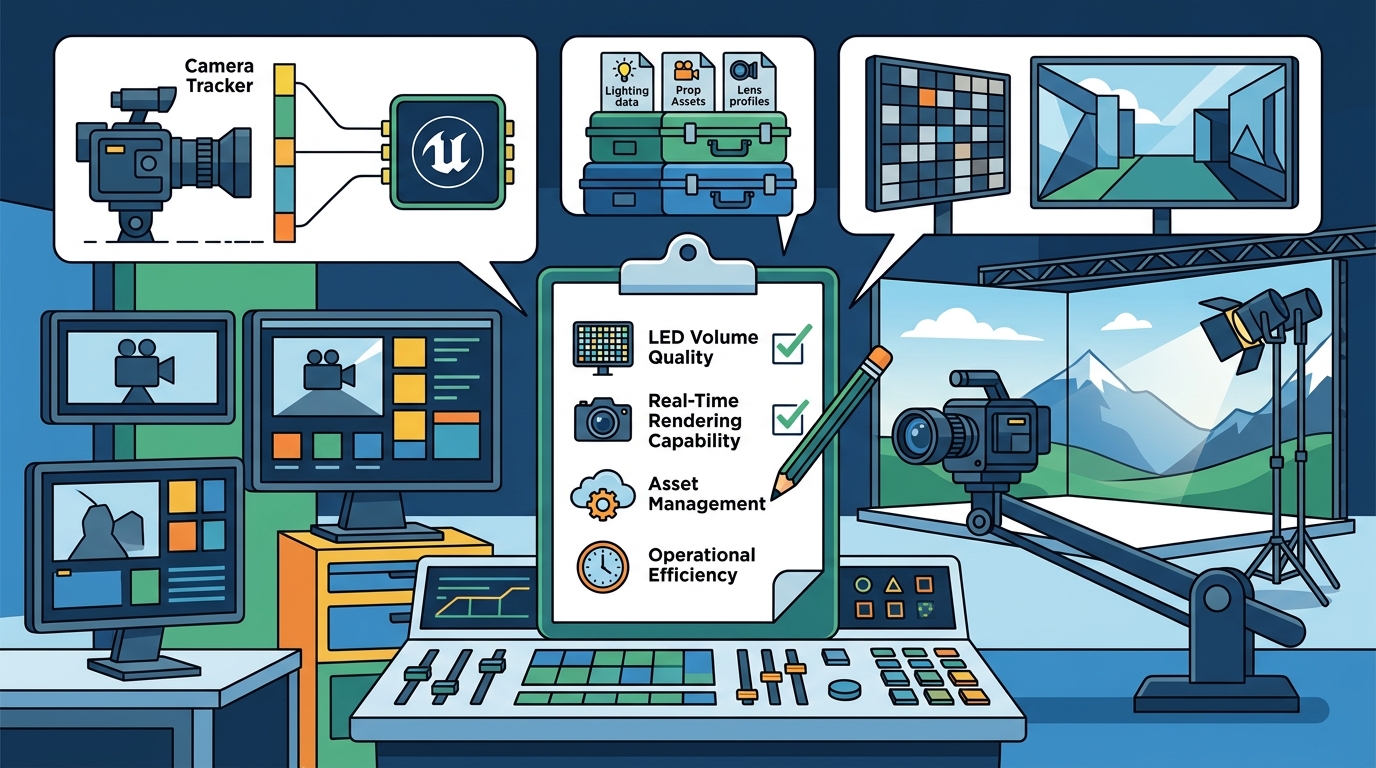
Real-time rendering capabilities dictate how smoothly your production team can iterate on scene composition. The industry standard relies on a specific game engine that processes lighting, physics, and camera tracking data simultaneously. You must confirm that the studio maintains an active license and employs certified technical directors who specialize in asset optimization. Seamless integration between the camera tracking system and the rendering software enables instant visual feedback on set. This workflow eliminates the traditional delay between shooting and reviewing dailies. Unreal Engine virtual set is a real-time 3D rendering platform that synchronizes camera movement with dynamic background environments. Verify that the facility offers dedicated technical support for asset loading, shader compilation, and latency reduction. Studios that invest in proprietary optimization pipelines will deliver faster turnaround times and fewer on-set technical interruptions.
Analyze Car Process Logistics
Automotive sequences require specialized rigging, motion control systems, and safety protocols. The car process workflow involves mounting vehicles onto hydraulic platforms while synchronizing background movement with wheel rotation. You must verify that the facility maintains dedicated trailers, motion control rigs, and experienced rigging crews. Proper synchronization prevents motion blur mismatches and ensures realistic perspective shifts during tracking shots. Car process filming is a specialized virtual production technique that synchronizes physical vehicle movement with dynamic digital backgrounds. Request documentation of past automotive projects to assess the studio's experience with high-speed sequences and complex rigging configurations. Facilities that maintain proprietary motion control software will streamline your shooting schedule and reduce safety liabilities on set.
Review Pre to Post Production Workflow
Comprehensive studio support extends beyond the physical volume wall into pre-production planning and post-production handoff. You must verify that the facility provides dedicated creative directors who oversee asset development, scene composition, and technical troubleshooting. A streamlined workflow eliminates redundant rendering passes and reduces post-production visual effects costs. Pre to post production workflow is a continuous operational framework that manages asset development, shooting execution, and final delivery. Confirm that the studio offers background plate generation, mobile wall configurations, and dedicated post-production support. Facilities that maintain in-house technical teams will resolve on-set rendering issues without delaying your shooting schedule.
Compare Custom Environment Options
Production flexibility depends on the studio's ability to generate custom digital environments on demand. You must verify that the facility maintains a proprietary asset library and offers modular scene construction. Custom environments allow directors to explore diverse locations without traveling to remote filming sites. Custom tailored Unreal Engine environment is a proprietary digital asset library that adapts to specific creative concepts and lighting requirements. Request access to the facility's background plate repository to assess the diversity of available locations. Studios that prioritize modular asset construction will accelerate your pre-production timeline and reduce location scouting expenses.
| Studio Feature | Standard Facility | Premium Virtual Production Facility |
|---|---|---|
| LED Volume Wall | Flat panels, basic calibration | Curved panels, real-time calibration |
| Rendering Software | Offline rendering, delayed feedback | Real-time engine, instant feedback |
| Car Process Support | Manual rigging, limited motion control | Dedicated trailers, synchronized motion control |
| Technical Support | External contractors, delayed response | In-house team, immediate on-set resolution |
Key Takeaways
- Curved LED volume walls eliminate perspective distortion and prevent color spill onto foreground elements.
- Real-time rendering engines synchronize camera tracking data with dynamic background environments.
- Dedicated car process trailers and motion control rigs ensure accurate automotive sequence filming.
- In-house technical teams resolve on-set rendering issues without delaying shooting schedules.
- Proprietary asset libraries accelerate pre-production timelines and reduce location scouting expenses.
- Comprehensive pre to post production workflows minimize redundant rendering passes and visual effects overhead.
Frequently Asked Questions
What pixel pitch should I prioritize for close-up shots?
Close-up sequences require a pixel pitch of 1.5 millimeters or lower to prevent visible grid patterns on camera sensors. Higher resolution panels maintain sharpness when actors stand near the volume wall. Always verify panel specifications before finalizing your rental agreement.
How does real-time rendering impact shooting schedules?
Real-time rendering eliminates the traditional delay between shooting and reviewing dailies. Directors can adjust lighting and composition instantly without waiting for post-production rendering passes. This workflow accelerates your shooting schedule and reduces on-set technical interruptions.
Can I use my own digital assets on the volume wall?
Most premium facilities accept proprietary 3D models and custom environment files. You must submit assets for technical review to ensure compatibility with the rendering engine. Certified technical directors will optimize your files for real-time performance.
What safety protocols apply to car process filming?
Car process filming requires hydraulic platforms, motion control rigs, and certified rigging crews. Facilities must maintain strict safety guidelines to prevent equipment malfunctions during high-speed sequences. Always request documentation of past automotive projects to verify safety compliance.
How do mobile walls enhance location flexibility?
Mobile wall configurations allow production teams to reconfigure the volume wall geometry for specific shooting requirements. This flexibility enables directors to capture wide-angle shots without perspective distortion. Facilities that prioritize modular construction will streamline your shooting schedule.
What post-production support does the studio provide?
Premium studios offer dedicated post-production support to handle final color grading and visual effects handoff. In-house technical teams resolve rendering issues without delaying your delivery timeline. Always verify post-production capabilities before signing your rental agreement.
Book Your Virtual Production Session
Securing the right virtual production facility requires careful evaluation of technical infrastructure, creative flexibility, and operational efficiency. Contact our team to schedule a facility tour and discuss your upcoming project requirements. Our creative directors and technical specialists will guide you through asset optimization, scene composition, and shooting schedule planning. Schedule your consultation today to elevate your production with cutting-edge virtual set technology.