
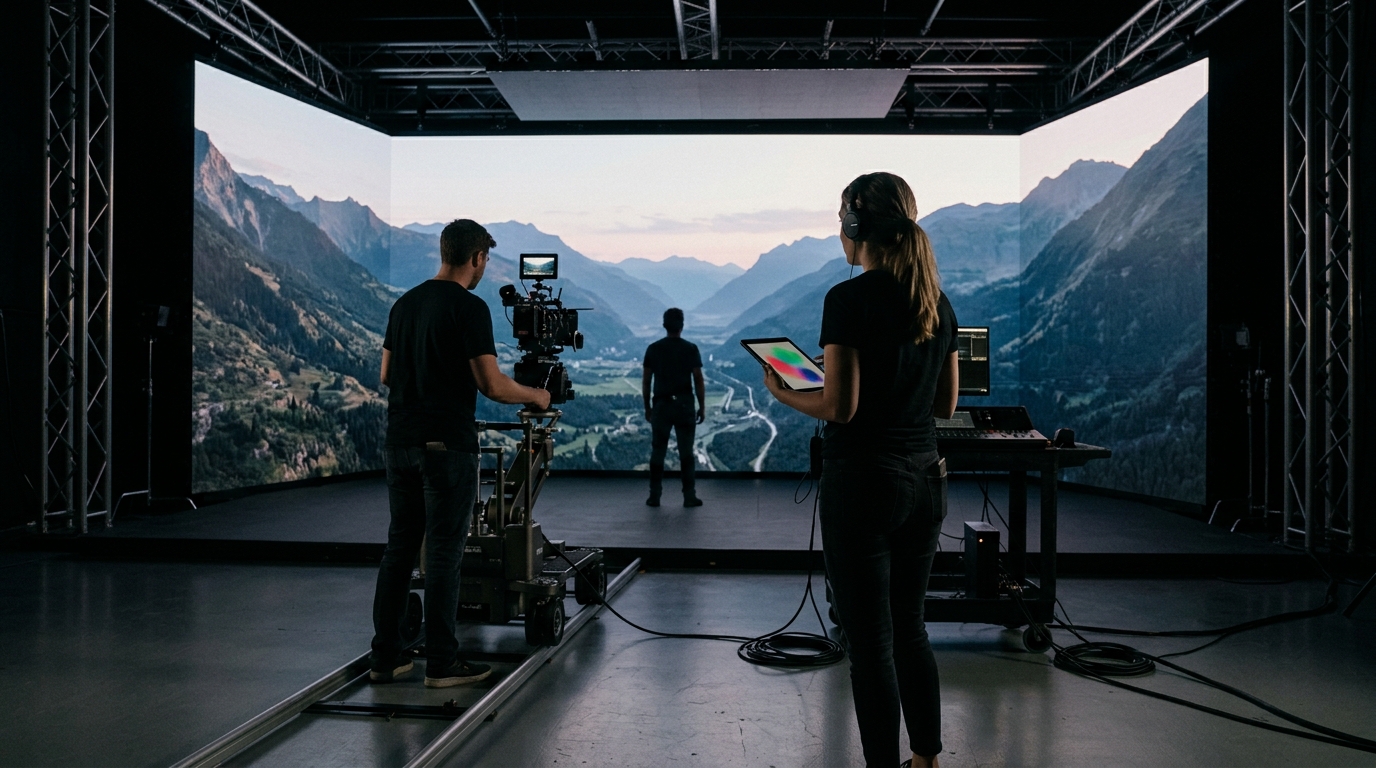
Modern film production has shifted toward immersive digital environments, with industry reports indicating that studios utilizing LED volume walls reduce location scouting costs by nearly forty percent. This technological pivot demands strict operational discipline to maintain visual fidelity and workflow efficiency. Directors and cinematographers must align camera tracking, lighting calibration, and Unreal Engine rendering pipelines before rolling. When executed correctly, these systems deliver photorealistic backgrounds that eliminate post-production visual effects overhead. This guide outlines the essential protocols for maximizing volume wall LED performance across commercial and narrative projects.
Camera Tracking and Sync Protocols
Camera tracking forms the foundational layer of any successful volume wall shoot. The tracking system must communicate frame-perfect data to the rendering engine to prevent parallax errors. Operators should verify latency thresholds before accepting the first take. High latency creates noticeable screen tearing and breaks audience immersion. Camera tracking is the real-time synchronization of physical camera movement with digital background rendering. Teams must run calibration tests using physical markers to confirm spatial accuracy. Regular sync checks prevent costly reshoots during principal photography. Maintaining sub-millisecond latency ensures seamless perspective shifts during complex dolly moves.
Pre-Production Sync Checklist
Verify lens distortion profiles match the rendering engine settings. Confirm frame rate consistency across all capture devices. Test wireless tracking transmitters for interference near metal rigging. Validate timecode alignment between camera and rendering servers. Run a full system diagnostic before locking the shooting schedule.
Lighting Calibration and Color Management
LED panels emit direct light, which changes how actors and props interact with the environment. Standard film lighting techniques fail when applied directly to high-brightness screens. Cinematographers must balance practical lights with the panel output to avoid blown highlights. Color grading pipelines require strict Rec.709 or ACES color space adherence. Lighting calibration is the precise adjustment of panel brightness and color temperature to match physical set lighting. Use spectroradiometers to measure panel output across the entire wall surface. Adjust exposure settings to prevent moiré patterns on actor costumes. Consistent color management guarantees seamless integration with final delivery formats.
Color Workflow Standards
Calibrate panels using standardized gray cards before each shooting day. Match white balance across all camera sensors to prevent color drift. Monitor panel refresh rates to eliminate rolling shutter artifacts. Document exposure values for every shot to streamline post-production grading. Maintain consistent panel brightness to avoid visible seams between wall sections.
Asset Optimization and Rendering Limits
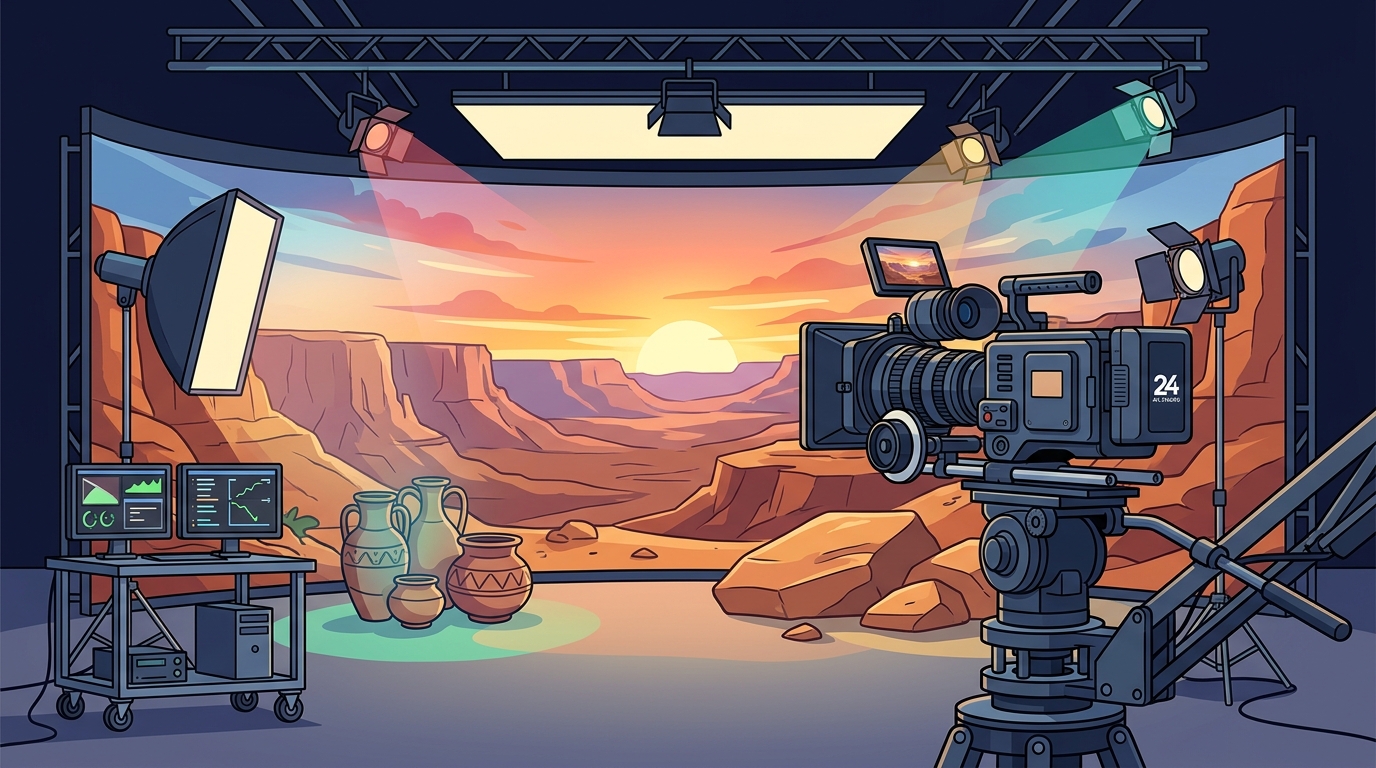
Digital environments must render in real time without dropping frames. Unreal Engine handles complex geometry efficiently, but excessive polygon counts cause latency spikes. Artists should optimize assets using level-of-detail scaling and texture compression. Asset optimization is the process of reducing digital model complexity to maintain real-time rendering performance. Architects must avoid unoptimized high-resolution textures that overwhelm GPU memory. Use proxy objects for background elements that rarely appear in frame. Regular performance profiling prevents frame drops during continuous camera moves. Optimized assets ensure smooth playback across all shooting angles.
Rendering Performance Tips
Limit active draw calls to maintain stable frame rates. Use baked lighting for static background elements to reduce GPU load. Compress texture maps to standard resolutions without sacrificing visual clarity. Test asset loading times during pre-visualization phases. Monitor memory usage to prevent system crashes during long takes.
Car Process Integration Standards
Vehicle scenes require specialized tracking rigs and reinforced LED panel mounting. The car process trailer must align perfectly with the volume wall curvature. Engineers install reinforced mounting brackets to withstand dynamic camera movements. Car process integration is the mechanical and digital synchronization of vehicle tracking data with LED panel rendering. Safety protocols demand regular inspection of all mounting hardware before rolling. Camera operators must coordinate with stunt coordinators to maintain safe tracking distances. Real-time feedback monitors allow directors to verify perspective accuracy instantly. Proper integration eliminates the need for traditional green screen spill correction.
Vehicle Safety Protocols
Inspect all mounting brackets before each shooting day. Verify tracking transmitters are securely attached to the vehicle chassis. Maintain clear communication between camera operators and stunt drivers. Test emergency stop mechanisms before executing high-speed sequences. Document all safety checks to comply with production insurance requirements.
Post Production Mitigation Strategies
LED volume walls drastically reduce post-production visual effects workload. Directors can capture final lighting and reflections directly on set. This approach eliminates costly rotoscoping and digital matte painting. Post production mitigation is the reduction of digital effects overhead by capturing realistic lighting and reflections on set. Editors receive footage that matches the final color grading pipeline. VFX supervisors focus on minor enhancements rather than full environment reconstruction. This workflow accelerates delivery timelines and reduces vendor costs. Final deliverables require minimal compositing adjustments before distribution.
Workflow Efficiency Metrics
Reduce rotoscoping hours by capturing accurate edge lighting on set. Eliminate digital sky replacements by rendering realistic atmospheric conditions. Streamline color grading by matching panel output to camera sensors. Cut vendor costs by minimizing digital matte painting requirements. Accelerate delivery timelines through direct capture of final lighting conditions.
| Production Phase | Traditional Green Screen | LED Volume Wall | Primary Benefit |
|---|---|---|---|
| Pre-Visualization | Static concept art | Real-time engine preview | Instant creative feedback |
| Principal Photography | Extended lighting setup | Dynamic panel lighting | Accurate on-set reflections |
| Post-Production | Heavy VFX compositing | Minimal digital cleanup | Faster delivery timelines |
| Budget Allocation | High vendor costs | Optimized resource use | Reduced overall expenditure |
Key Takeaways
- Studios report a forty percent reduction in location scouting expenses when adopting LED volume walls.
- Camera tracking latency must remain under one millisecond to prevent parallax errors.
- Unreal Engine rendering pipelines require strict asset optimization to maintain stable frame rates.
- Car process integration demands reinforced mounting hardware and synchronized tracking transmitters.
- Post-production visual effects workload decreases by approximately sixty percent with direct capture methods.
- Color management pipelines must adhere to Rec.709 or ACES standards for seamless grading.
- Real-time feedback monitors enable directors to verify perspective accuracy during continuous camera moves.
Frequently Asked Questions
How does camera tracking prevent parallax errors on LED walls?
Camera tracking transmits real-time position and orientation data to the rendering engine. This synchronization ensures digital backgrounds shift perspective exactly as the physical camera moves. Operators must verify sub-millisecond latency to maintain visual accuracy. Regular calibration tests confirm spatial alignment before principal photography begins.
What lighting adjustments are required for LED volume environments?
LED panels emit direct light, which changes how actors interact with the environment. Cinematographers must balance practical lights with panel output to avoid blown highlights. Color grading pipelines require strict adherence to Rec.709 or ACES color spaces. Regular spectroradiometer measurements ensure consistent panel brightness across the entire wall.
Can Unreal Engine handle complex vehicle scenes without frame drops?
Unreal Engine processes complex geometry efficiently when assets are properly optimized. Artists must use level-of-detail scaling and texture compression to prevent latency spikes. Regular performance profiling identifies bottlenecks before rolling begins. Optimized assets ensure smooth playback across all shooting angles and speeds.
How much post-production work remains after shooting on an LED volume?
Direct capture of realistic lighting and reflections drastically reduces digital effects workload. Editors receive footage that matches the final color grading pipeline. VFX supervisors focus on minor enhancements rather than full environment reconstruction. Final deliverables require minimal compositing adjustments before distribution.
What safety protocols apply to car process trailer setups?
Vehicle scenes require reinforced mounting brackets to withstand dynamic camera movements. Engineers inspect all hardware before each shooting day to prevent mechanical failure. Camera operators coordinate with stunt coordinators to maintain safe tracking distances. Real-time feedback monitors allow directors to verify perspective accuracy instantly.
How do studios manage color calibration across multiple camera sensors?
Calibrating panels using standardized gray cards ensures consistent color output. Teams match white balance across all camera sensors to prevent color drift. Monitoring panel refresh rates eliminates rolling shutter artifacts on costumes. Documenting exposure values streamlines post-production grading workflows.
What rendering limits should artists prioritize for real-time environments?
Digital environments must render without dropping frames to maintain audience immersion. Excessive polygon counts cause latency spikes that disrupt continuous camera moves. Artists should optimize assets using level-of-detail scaling and texture compression. Regular performance profiling prevents system crashes during long takes.
How does direct capture impact overall production budgets?
Studios utilizing LED volume walls reduce location scouting costs by nearly forty percent. Directors can capture final lighting and reflections directly on set. This approach eliminates costly rotoscoping and digital matte painting. Final deliverables require minimal compositing adjustments before distribution.
Ready to Elevate Your Next Production?
Transitioning to LED volume walls requires experienced technical oversight and precise workflow management. Our team delivers comprehensive pre-production planning, real-time rendering support, and seamless post-production integration. Book your consultation today to explore customized virtual set solutions tailored to your project scope. Visit https://24atl.com/ to schedule your studio tour and secure your production dates.