
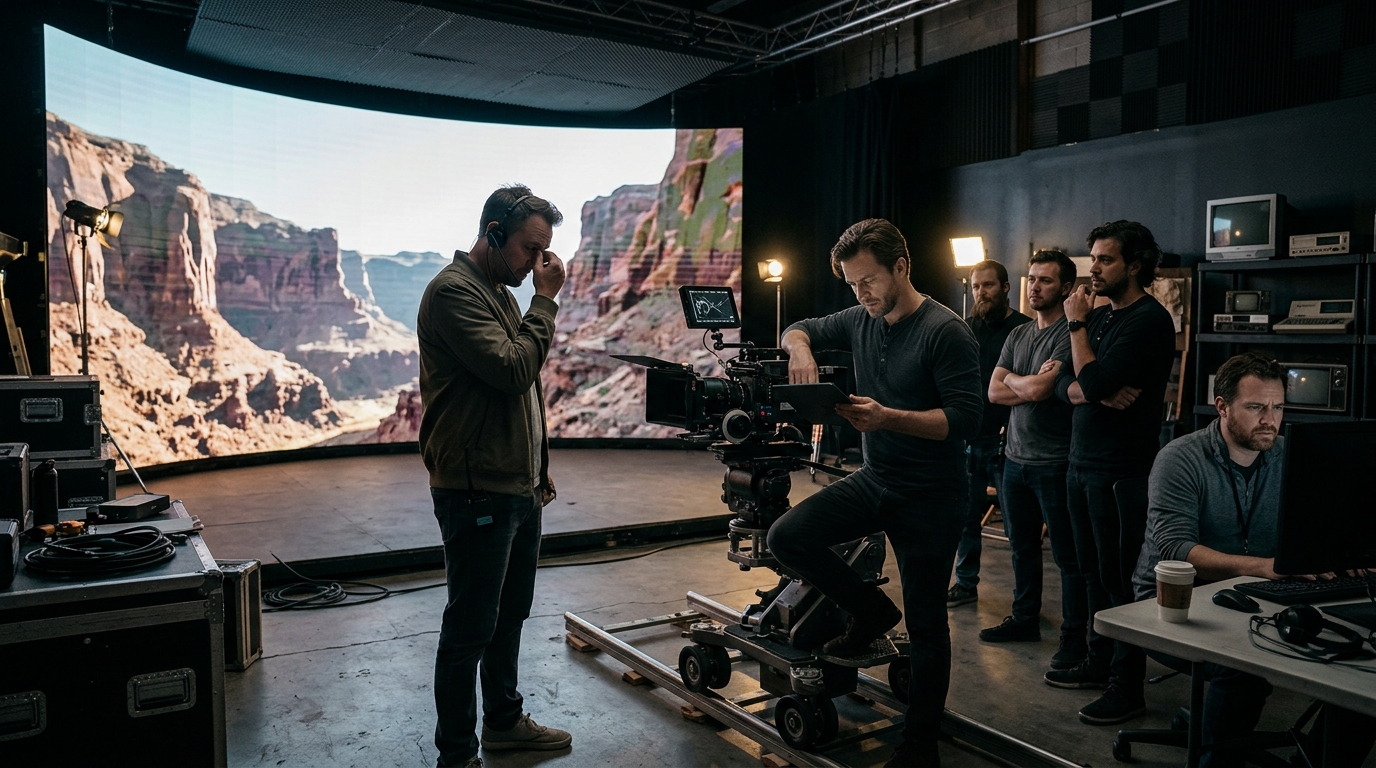
Virtual production is no longer a futuristic concept but a standard tool for modern filmmaking. According to industry reports, LED volume stages can reduce post-production VFX costs by up to 30 percent for certain projects. However, the technology is unforgiving of poor planning. A single misstep in lighting calibration or asset management can halt a shoot for hours. This article outlines the most frequent errors directors and producers make when utilizing Unreal Engine virtual sets. Understanding these pitfalls is essential for maintaining momentum and budget integrity on set.
The Pre-Production Planning Gap
One of the most critical errors is treating virtual production like traditional location scouting. Directors often assume they can "fix it in post" or adjust environments on the fly. This is a dangerous misconception. LED volume walls require precise pre-visualization to ensure that the digital assets match the physical camera angles and focal lengths.
At 24 ATL Studios, we emphasize that pre-production is where the battle is won or lost. Without a detailed shot list and camera mapping, the Unreal Engine environment cannot be optimized for the specific lens choices. This leads to wasted time on set as the technical team attempts to recalibrate the virtual set to fit unexpected camera movements. Proper planning ensures that the digital background plates are rendered at the correct resolution and perspective for every shot.
Lighting Mismatches and Color Grading
Lighting on an LED stage is fundamentally different from lighting a physical set. The light source is the screen itself. A common mistake is under-lighting the talent or failing to match the color temperature of the LED wall to the physical lights used on set. If the digital sun is set to 5600K but the practical lights are 3200K, the actor will look unnatural in the final composite.
Furthermore, ignoring the dynamic range of the LED panels can lead to blown-out highlights or crushed shadows. The Disney+ Mandalorian utilized high-brightness LED panels to ensure that the lighting remained consistent even in bright daylight scenes. Producers must work closely with their gaffers to balance the intensity of the screen with practical fill lights. This balance is crucial for maintaining the illusion of reality. When the lighting is off, the audience immediately detects the artificiality of the scene.
Polygon Count and Performance Lag
Unreal Engine is a powerful real-time renderer, but it has limits. A frequent technical error is importing high-polygon-count assets that were designed for pre-rendered CGI. These heavy assets can cause frame rate drops, resulting in stuttering video on the LED wall. This stuttering breaks the immersion for the actors and can cause motion sickness for the camera operator.
Real-time rendering requires optimized geometry and texture atlases. The Unreal Engine documentation highlights the importance of LOD (Level of Detail) systems to maintain performance. If the frame rate drops below 24 frames per second, the virtual set becomes unusable for live action. Technical directors must rigorously test all assets before they are deployed to the volume stage. This includes testing with the specific camera tracking data to ensure that the engine can handle the computational load without lag.
Camera Tracking and Parallax Errors
Parallax is the apparent shift in the position of an object when viewed from different angles. In a traditional green screen setup, the background is flat and static. In an LED volume, the background must shift in perfect synchronization with the camera movement. A common mistake is using inaccurate camera tracking data. If the tracking system drifts, the digital environment will appear to "slide" behind the actors, breaking the illusion of depth.
At 24 ATL Studios, we utilize advanced tracking systems to ensure that the virtual set moves in perfect unison with the physical camera. This requires precise calibration of the LED panels and the tracking sensors. Any error in this calibration results in a loss of immersion. The IMDb database of film production techniques often cites camera tracking as a critical factor in the success of virtual production projects. Ensuring that the tracking data is clean and accurate is non-negotiable for high-quality results.
Assuming Post-Production is Eliminated
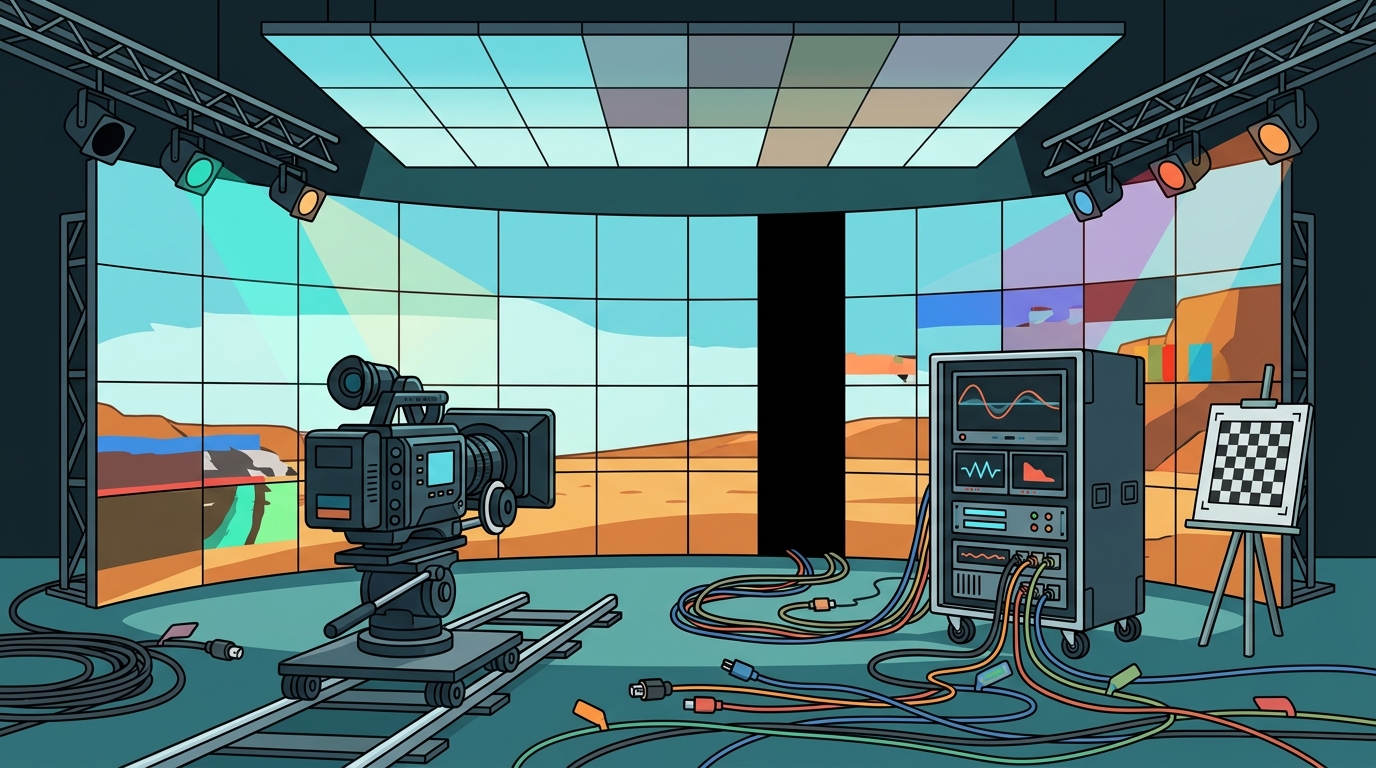
Many producers believe that using an LED volume stage eliminates the need for post-production entirely. This is a false economy. While in-camera VFX reduces the volume of work, it does not remove it. Color grading, compositing, and cleanup are still required. A common mistake is underestimating the time needed for these final steps.
For example, the LED wall may introduce moiré patterns or color spill onto the actors. These issues must be corrected in post. Additionally, any digital elements that need to be extended beyond the physical wall must be added later. Understanding this workflow is essential for accurate scheduling. The AMPTP guidelines on virtual production emphasize the need for clear post-production pipelines to handle the unique demands of in-camera VFX.
Communication Breakdowns Between Departments
Virtual production requires a new level of collaboration between the director, the VFX team, and the camera department. A common mistake is siloing these teams. The VFX team may optimize assets for performance, while the director demands higher visual fidelity. Without constant communication, these conflicting goals can lead to delays and frustration.
At 24 ATL Studios, we facilitate this collaboration by integrating our creative and technical teams early in the process. This ensures that everyone is aligned on the visual goals and technical constraints. Regular check-ins and shared terminology help prevent misunderstandings. The Sony CineAlta cameras are often used in conjunction with these workflows, requiring specific communication protocols to ensure seamless integration. Effective communication is the glue that holds the virtual production process together.
Key Takeaways
- Pre-production planning is critical for optimizing Unreal Engine environments for specific camera angles.
- Lighting mismatches between the LED wall and practical lights can ruin the realism of a scene.
- High-polygon-count assets can cause performance lag and stuttering on the LED volume.
- Accurate camera tracking is essential to prevent parallax errors and maintain immersion.
- Post-production is not eliminated but transformed, requiring specific pipelines for in-camera VFX.
- Collaboration between VFX, camera, and directing teams is vital for success.
- 24 ATL Studios offers comprehensive support from pre-production to post-production.
Frequently Asked Questions
How does an LED volume stage save time?
An LED volume stage saves time by providing real-time lighting and backgrounds. This eliminates the need for location scouting and reduces the amount of green screen work required in post-production. According to industry data, this can streamline the production schedule significantly.
What is the role of Unreal Engine in virtual production?
Unreal Engine is the software that renders the virtual environment in real-time. It allows directors to see the final composite on the LED wall as they shoot. This technology is the backbone of modern virtual production workflows.
Can LED stages be used for commercials?
Yes, LED volume stages are highly effective for commercials. They allow for rapid changes in background and lighting, which is ideal for the fast-paced nature of commercial production. 24 ATL Studios specializes in this type of work.
What are the risks of poor camera tracking?
Poor camera tracking leads to parallax errors, where the background appears to slide or jitter. This breaks the illusion of depth and can make the footage unusable for high-end productions.
How do I choose the right virtual production studio?
Look for a studio with experienced technical directors, high-quality LED panels, and a robust Unreal Engine workflow. Check their portfolio for examples of seamless integration between talent and digital environments.
Is virtual production more expensive than traditional methods?
While the upfront costs can be higher, virtual production often saves money in the long run by reducing location fees, travel costs, and post-production VFX hours. The total cost of ownership is frequently lower for complex projects.
What is the "Car Process" in virtual production?
The "Car Process" involves using a LED volume stage to simulate driving scenes. This allows actors to perform in a realistic environment without the safety risks of practical stunts. It provides dynamic lighting and backgrounds that change with the car's movement.
Ready to Elevate Your Production?
Avoid these common pitfalls and ensure your next project is a success. At 24 ATL Studios, we provide the expertise and technology to make virtual production seamless and efficient. Contact us today to discuss your project and frame your shoot with the best in the industry.