
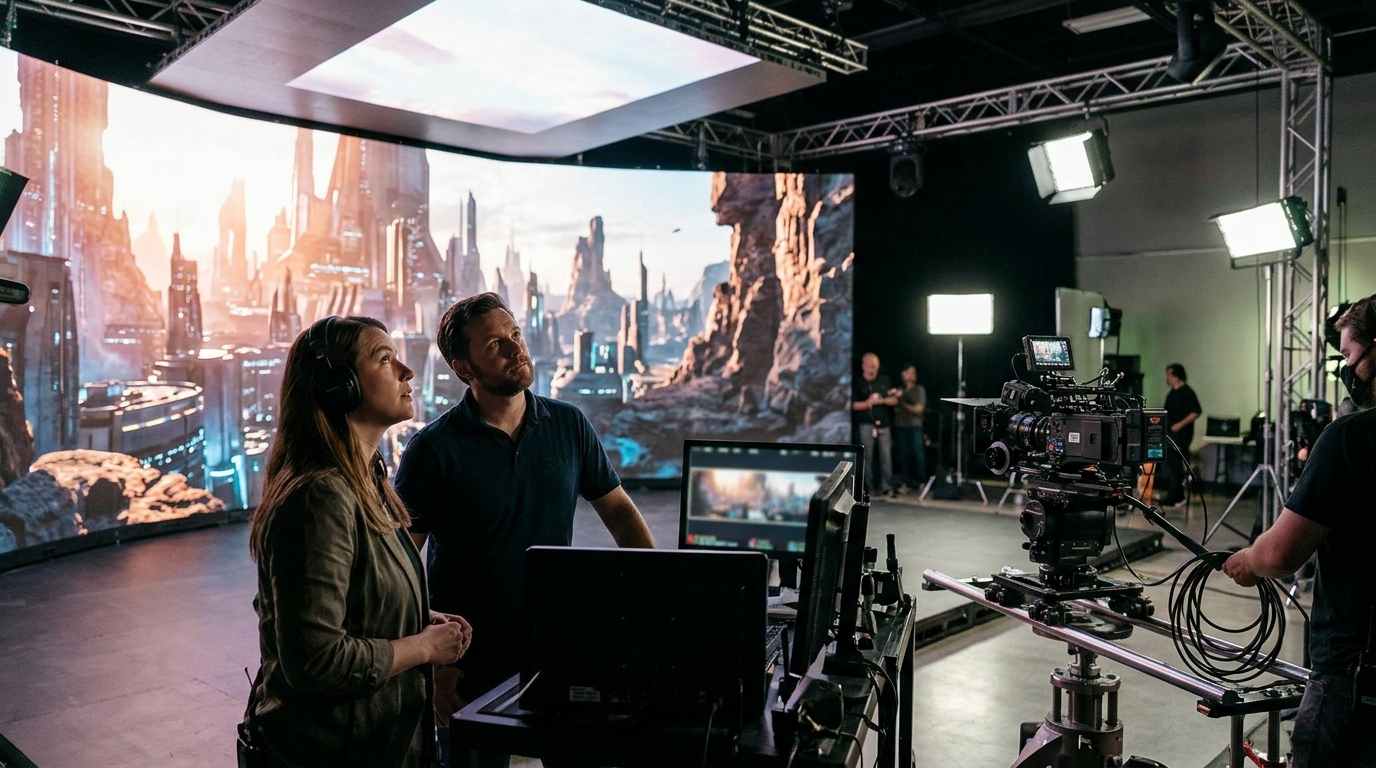
LED volume wall pricing is determined by a complex interplay of hardware specifications, software licensing, and operational labor costs. For production teams in Atlanta, understanding these variables is essential for budgeting accurately. 24 ATL Studios provides the infrastructure needed to navigate these costs effectively. This guide breaks down the specific elements that impact your final invoice.
1. Screen Resolution and Pixel Pitch
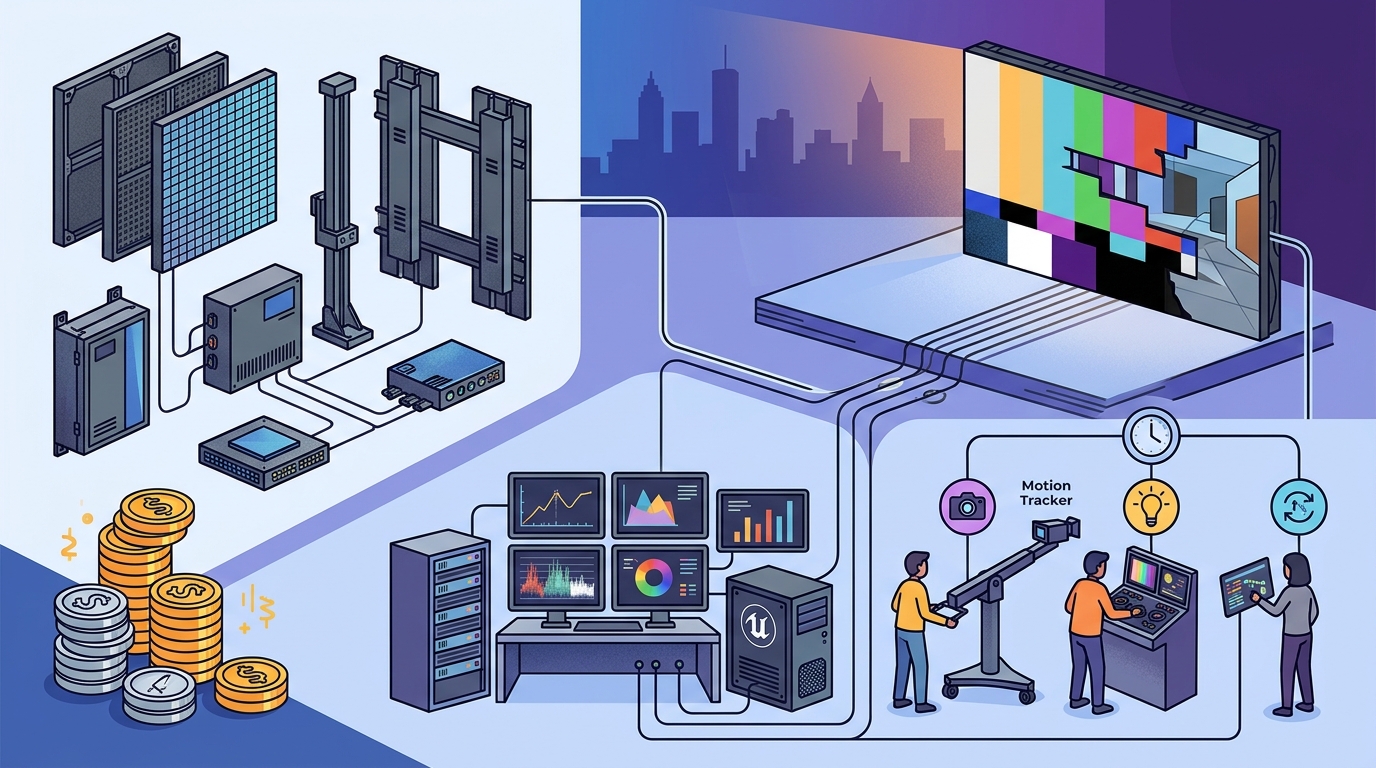
Higher resolution and tighter pixel pitch significantly increase hardware costs. The physical density of the LED panels dictates the clarity of the virtual environment. Productions requiring close-up shots need a finer pixel pitch, which commands a premium price. This hardware investment ensures that the virtual background remains indistinguishable from live-action footage.
2. Unreal Engine Licensing and Development
Custom environment development in Unreal Engine is a major labor cost driver. Creating bespoke 3D assets requires skilled artists and developers. The complexity of the scene, including lighting simulations and physics, directly impacts the time and resources needed. Studios with in-house expertise can streamline this process, reducing the overall development budget for clients.
3. Studio Size and Configuration
The physical dimensions of the volume wall determine the scale of the rental. Larger walls require more panels, power distribution, and structural support. The configuration, such as curved versus flat setups, also affects installation time and cost. Productions must match the wall size to their specific camera movements and shot requirements.
4. Camera Tracking and Calibration
Advanced camera tracking systems add to the technical overhead. Real-time synchronization between the camera and the virtual environment is critical for immersion. High-precision tracking hardware and calibration software are expensive but necessary for seamless integration. This technology ensures that parallax and perspective remain accurate during dynamic shots.
5. Labor and Technical Crew
Specialized technical staff are required to operate the virtual production pipeline. This includes virtual technicians, Unreal Engine artists, and lighting designers. The expertise of the crew directly influences the quality and efficiency of the shoot. Investing in experienced personnel can prevent costly delays and technical errors during production.
6. Post-Production and Compositing
While virtual production reduces some post costs, compositing remains a factor. Integrating live-action elements with virtual backgrounds requires skilled compositors. The extent of this work depends on the complexity of the scene and the desired final look. Studios that offer integrated post-production services can provide a more predictable total cost.
7. Location and Logistics
Geographic location and logistical requirements influence the final price. Transporting and installing large LED walls involves significant planning and expense. Proximity to the studio and the availability of local talent can reduce these costs. Atlanta offers a robust production ecosystem that supports efficient virtual production workflows.
Choosing the Right Setup
Selecting the optimal LED volume wall configuration requires balancing budget with creative needs. Productions should prioritize resolution and tracking accuracy for close-ups, while larger walls suit wide shots. Consulting with a specialized studio ensures that the technical setup aligns with the project's goals.
Frequently Asked Questions
What is the most expensive component of LED volume pricing?
Custom Unreal Engine development is often the most significant cost driver due to the labor involved in creating high-fidelity 3D assets.
How does pixel pitch affect the budget?
A tighter pixel pitch requires higher-density panels, which increases the hardware cost but improves image clarity for close-range shots.
Is camera tracking included in the base price?
Camera tracking is typically a separate line item that depends on the precision required for the specific production.
Can virtual production reduce overall post-production costs?
Yes, by capturing accurate lighting and perspective on set, virtual production can minimize the need for extensive compositing in post.
What role does studio size play in pricing?
Larger studio spaces and bigger LED walls require more hardware and installation time, directly increasing the rental cost.